
Lagos State, Nigeria
Lagos-Badagry Regional Framework
Guiding resilient urban expansion in Africa’s largest city.
Client: Confidential
Collaborators: DELT-A
Year: 2026
Project Size: 530 square kilometers
Service: Urban & Regional Strategy
Expertise: Urban Economics, Regional Planning, Mobility, Utility Infrastructure, Implementation Strategy, Sustainable Finance
A Nationally Significant Urban Corridor
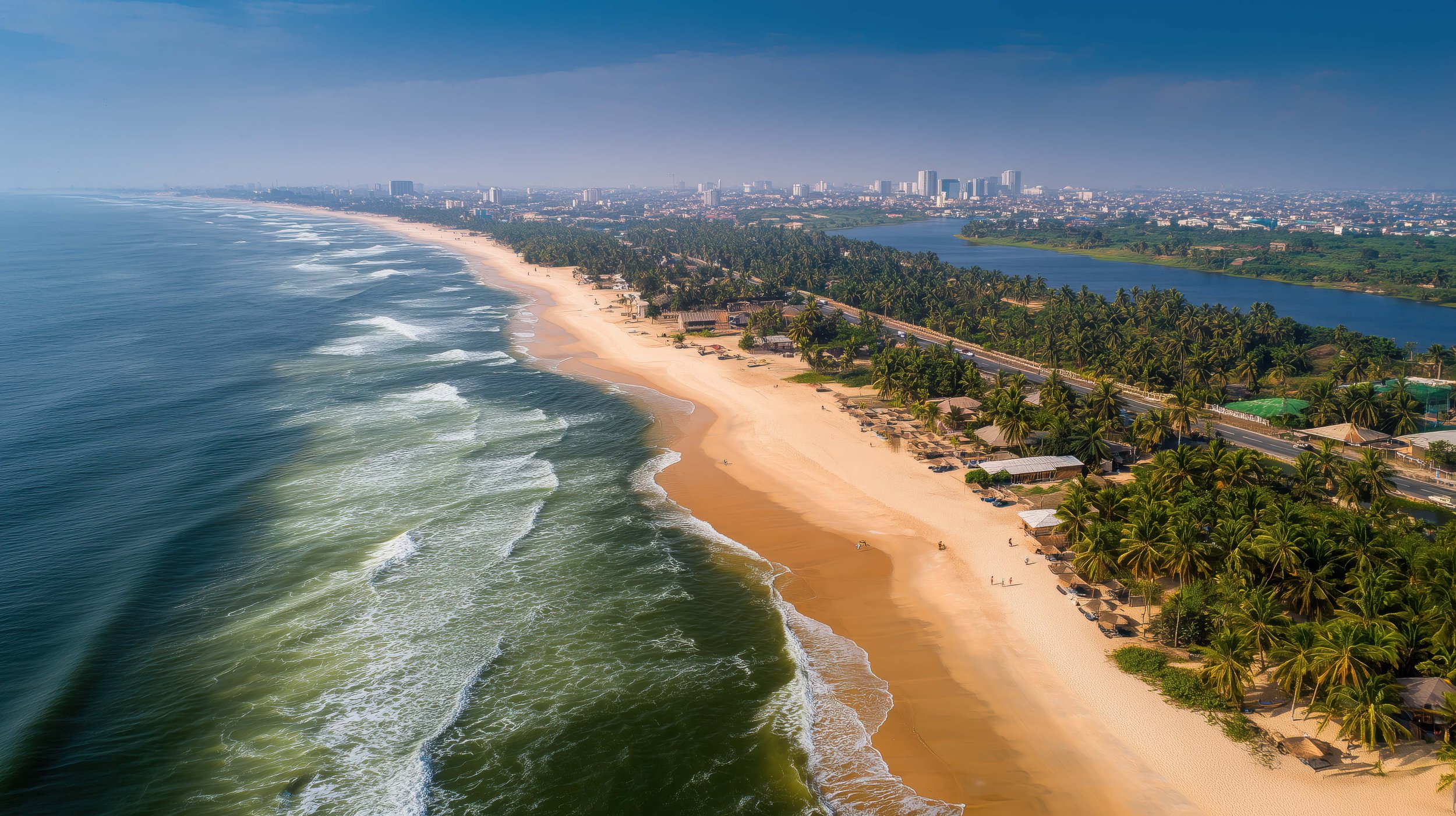
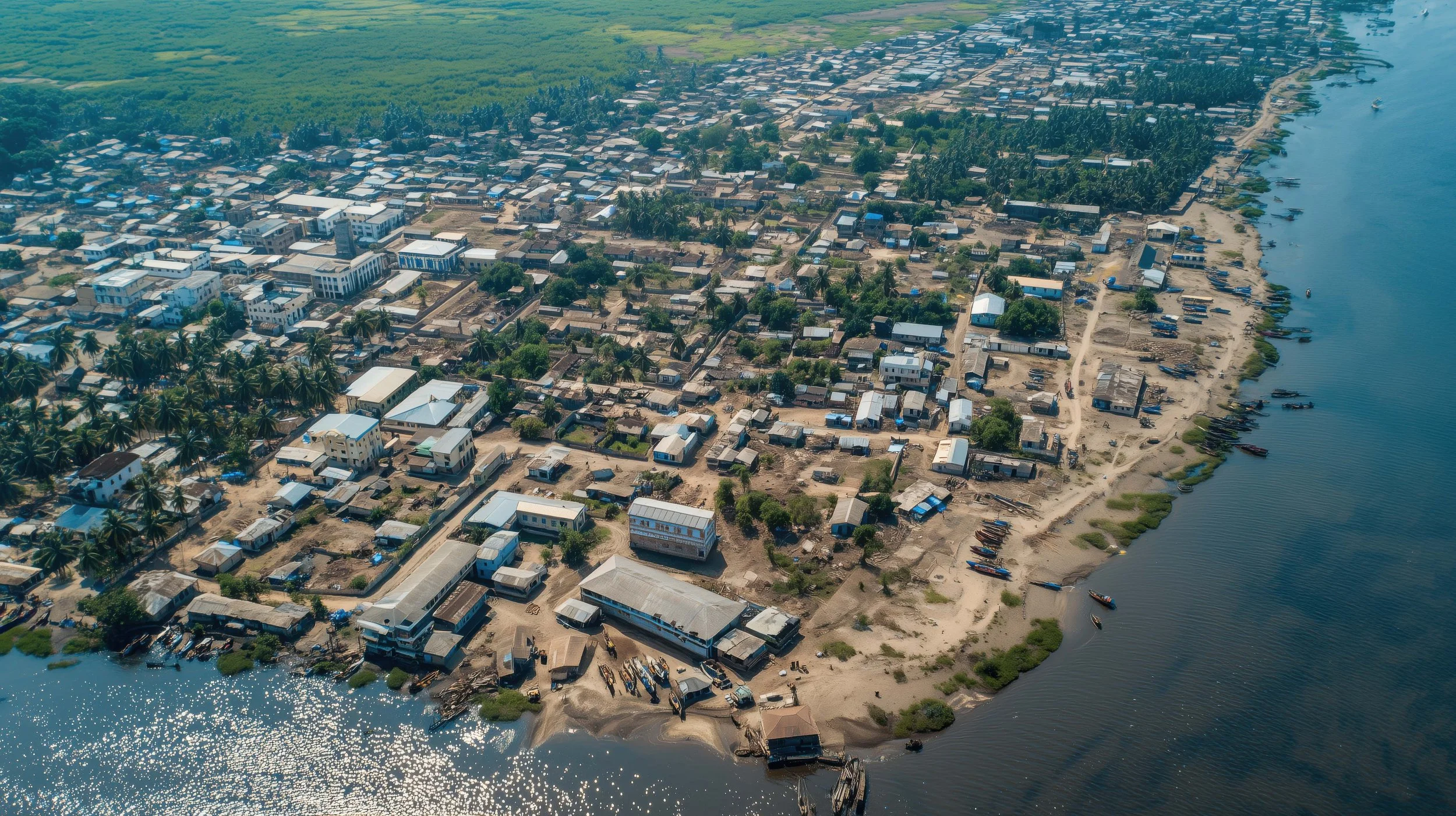
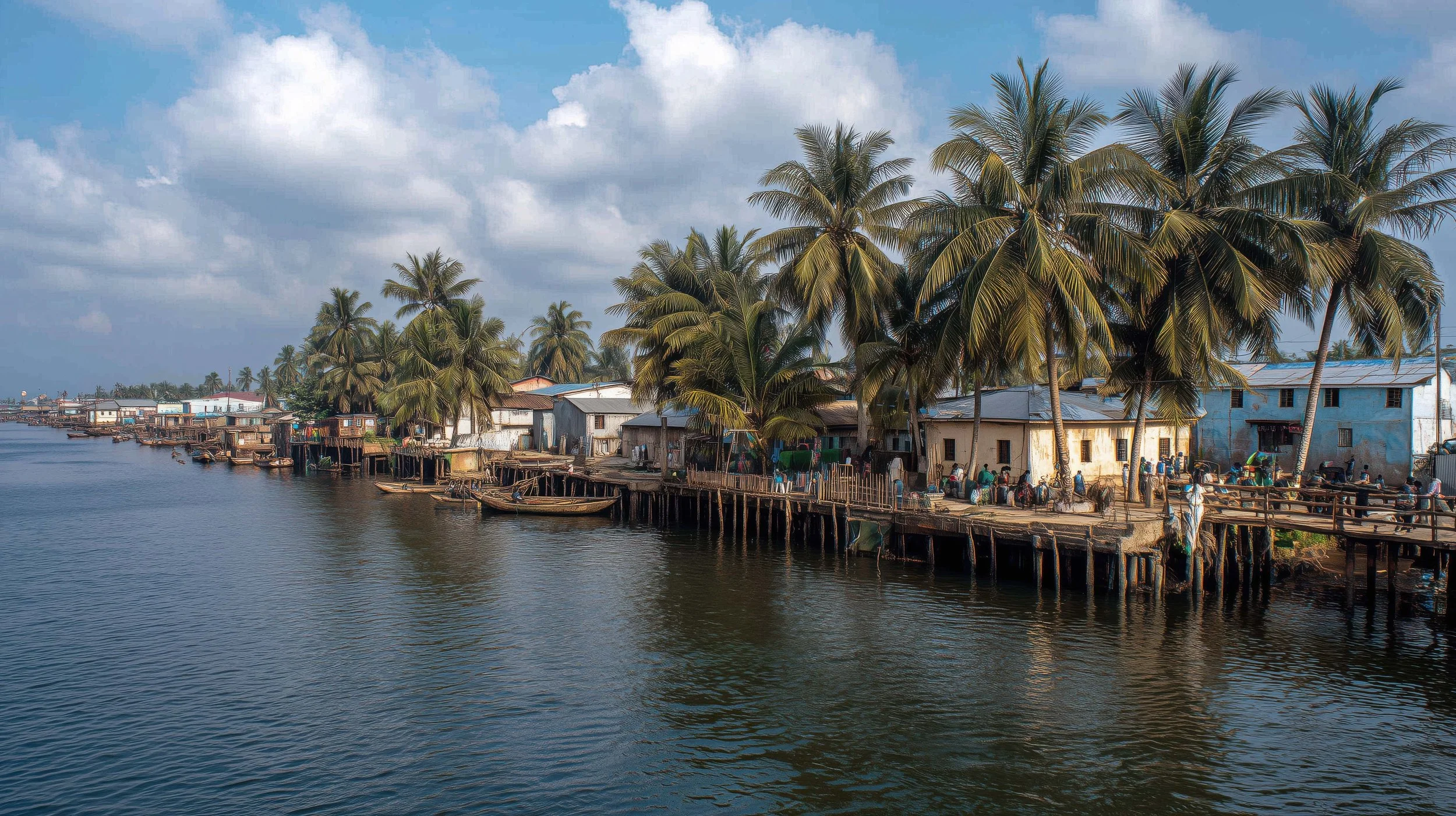
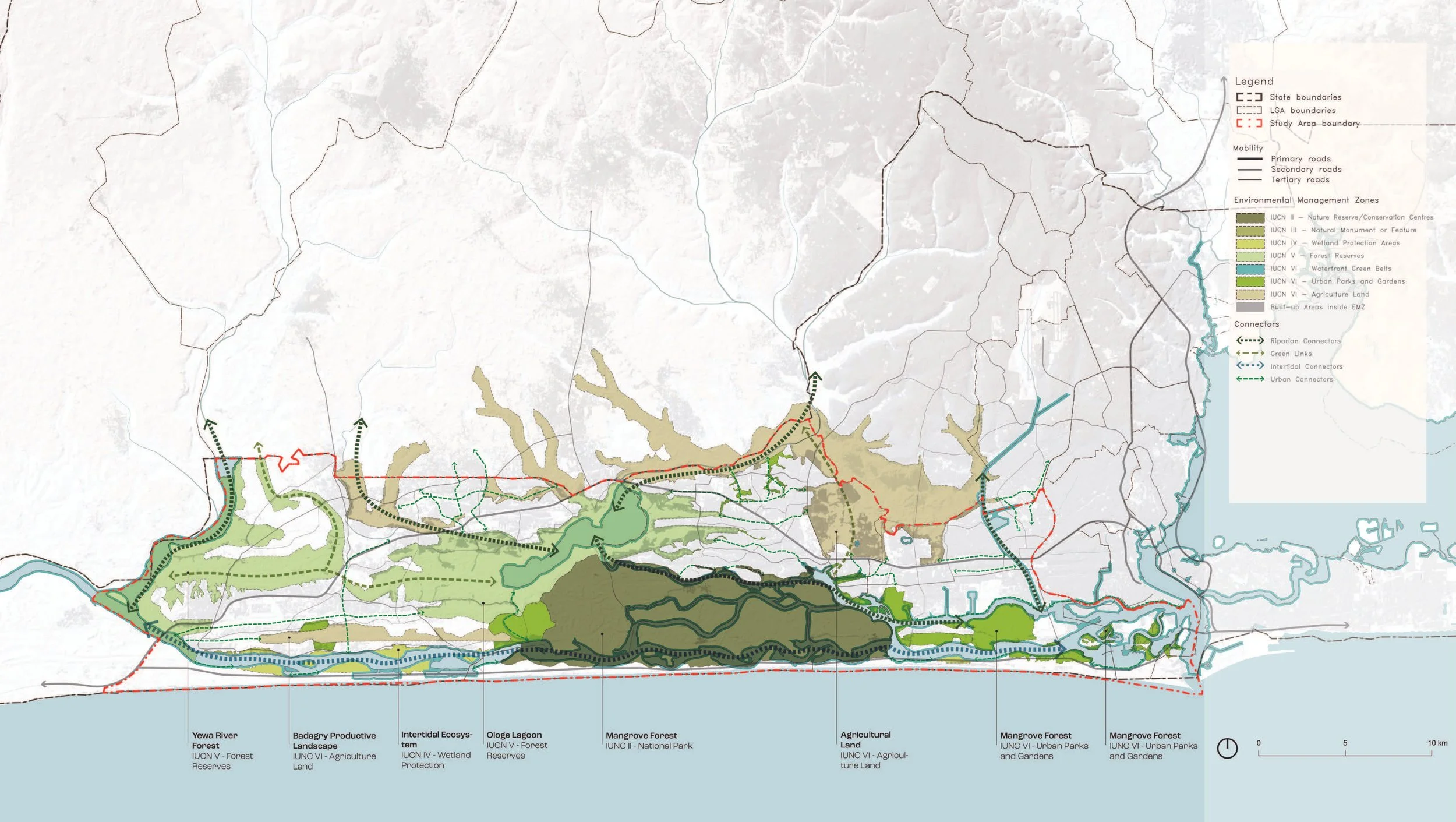
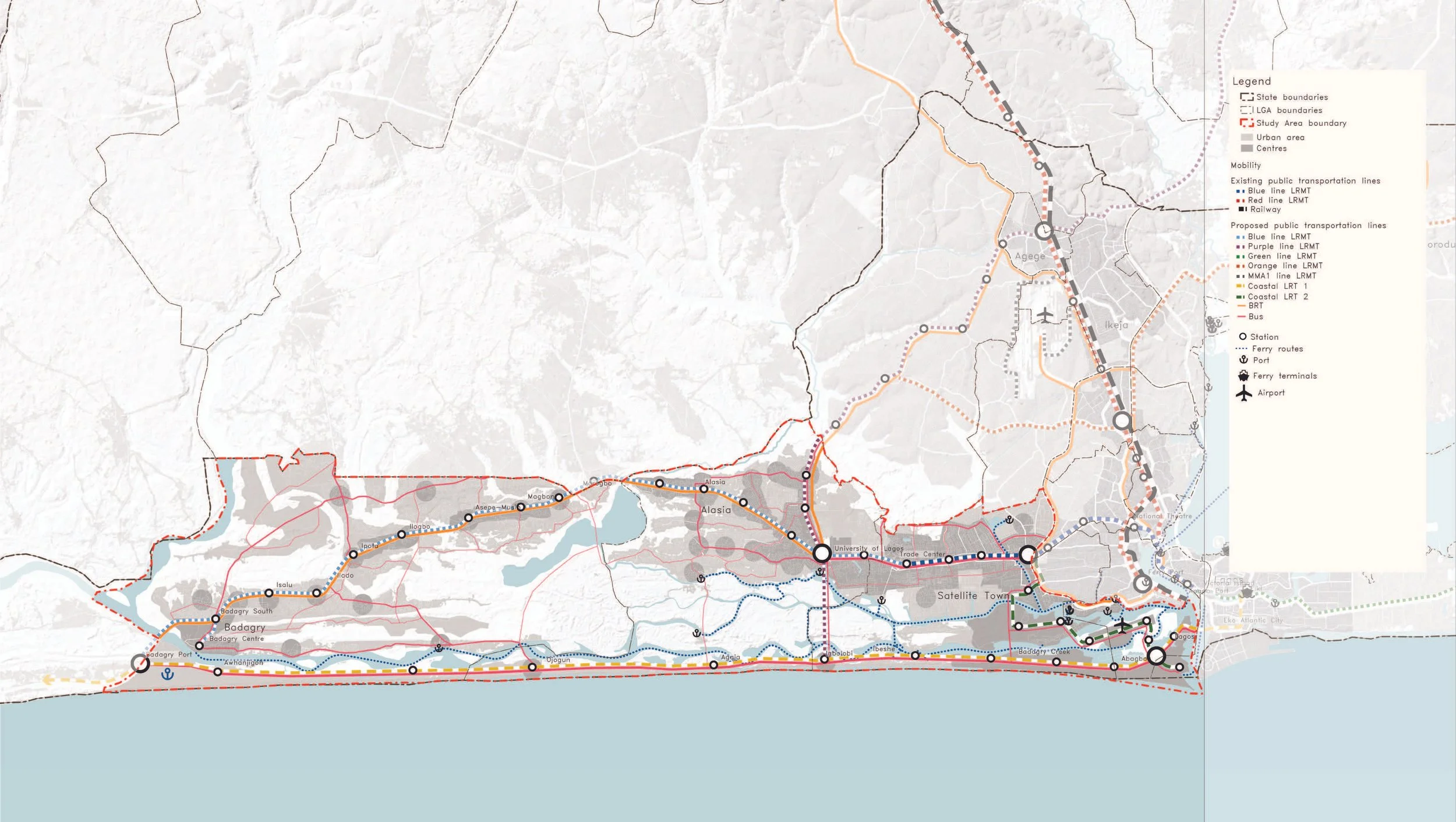
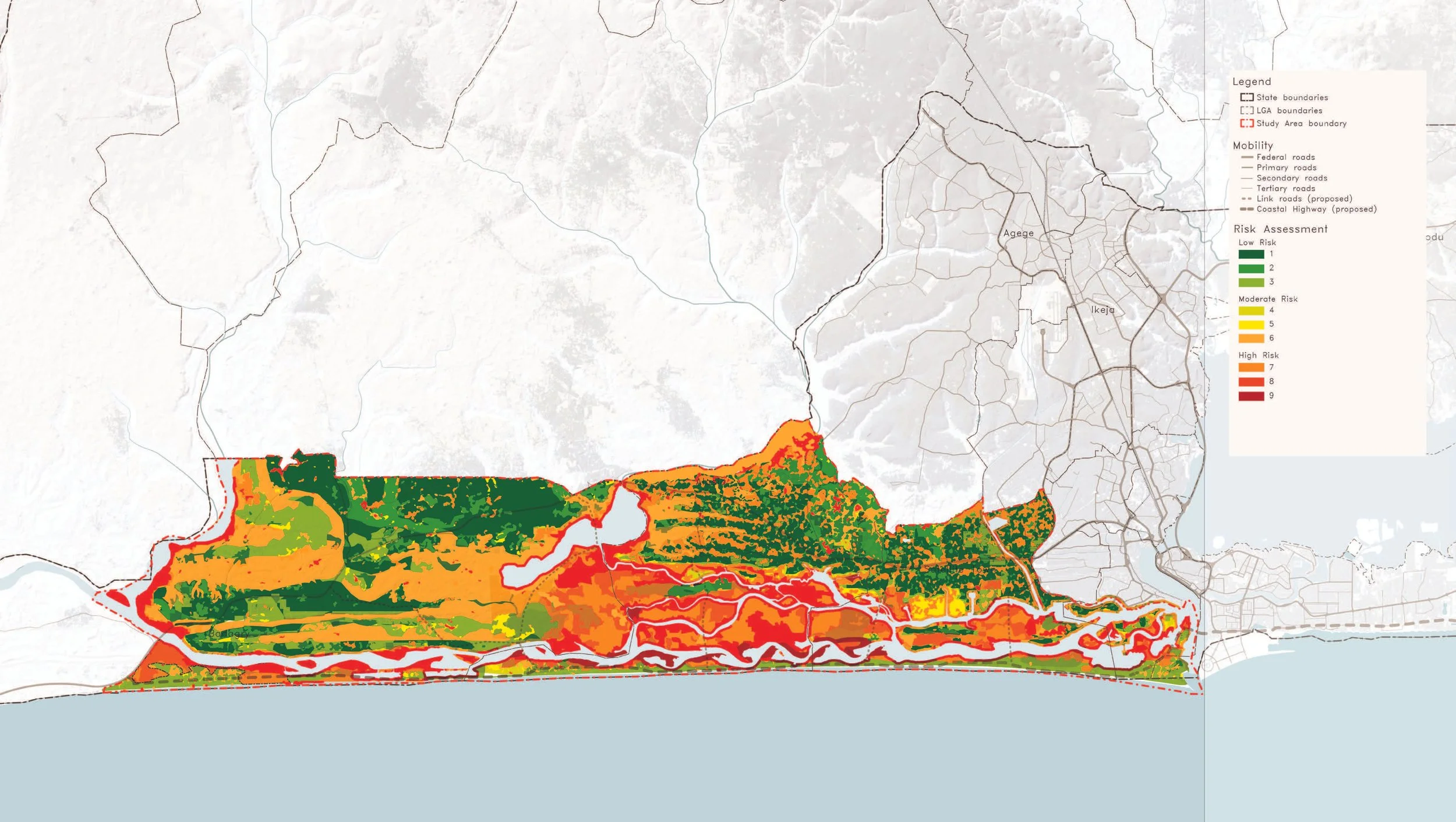
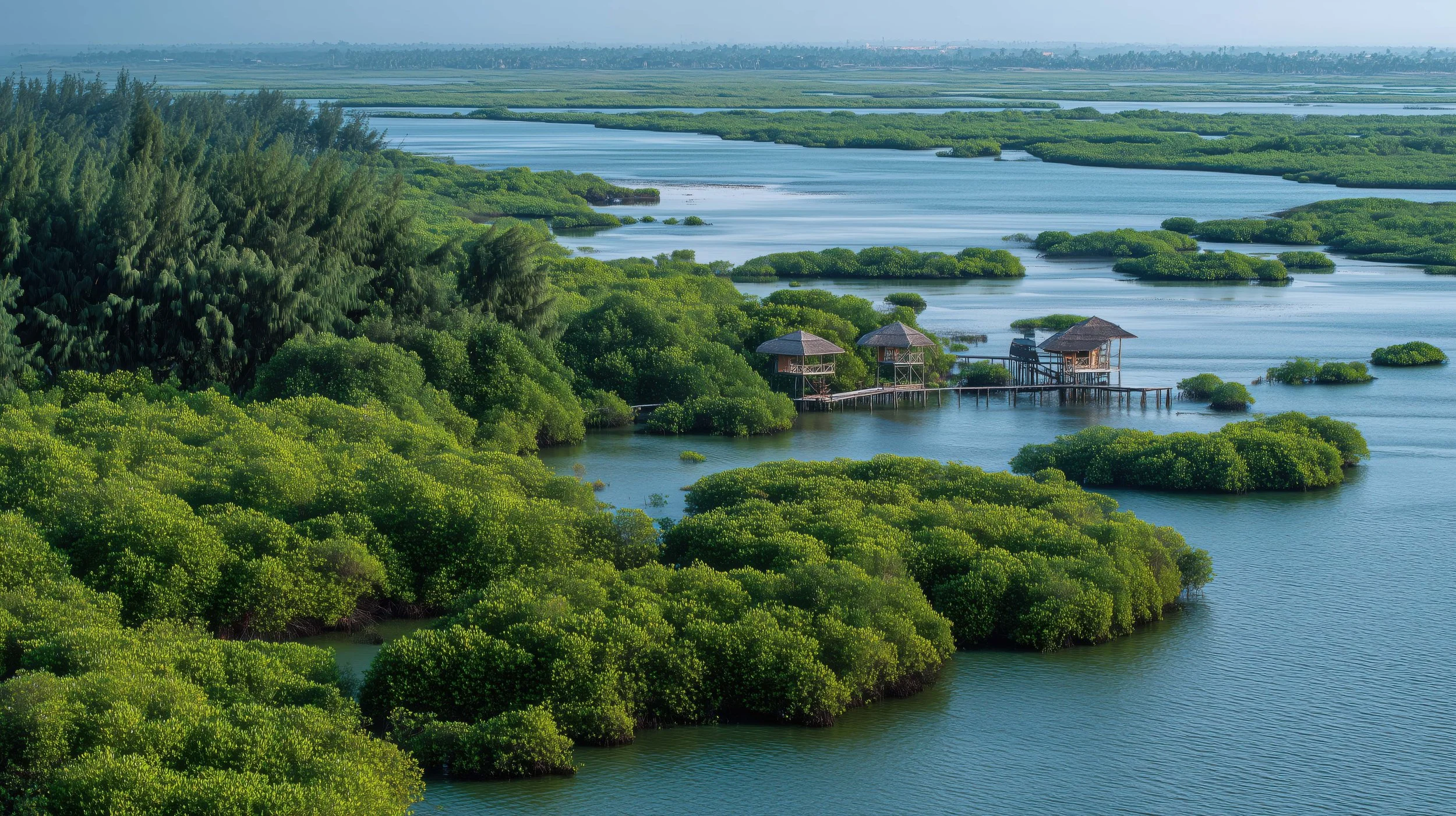
The Lagos–Badagry Corridor is one of metropolitan Lagos' most significant growth areas. Home to 1.9 million people today, its population is projected to reach 3.5 million by 2055—requiring substantial new housing, jobs, and services. Yet the corridor faces real challenges. Its landscape includes extensive mangroves, wetlands, and low-lying coastal areas that are ecologically critical but vulnerable to flooding and sea level rise—only 15% of the corridor is suitable for urban expansion. Existing infrastructure is fragmented, with major gaps in energy, water, sanitation, and transport.


Rapid Change
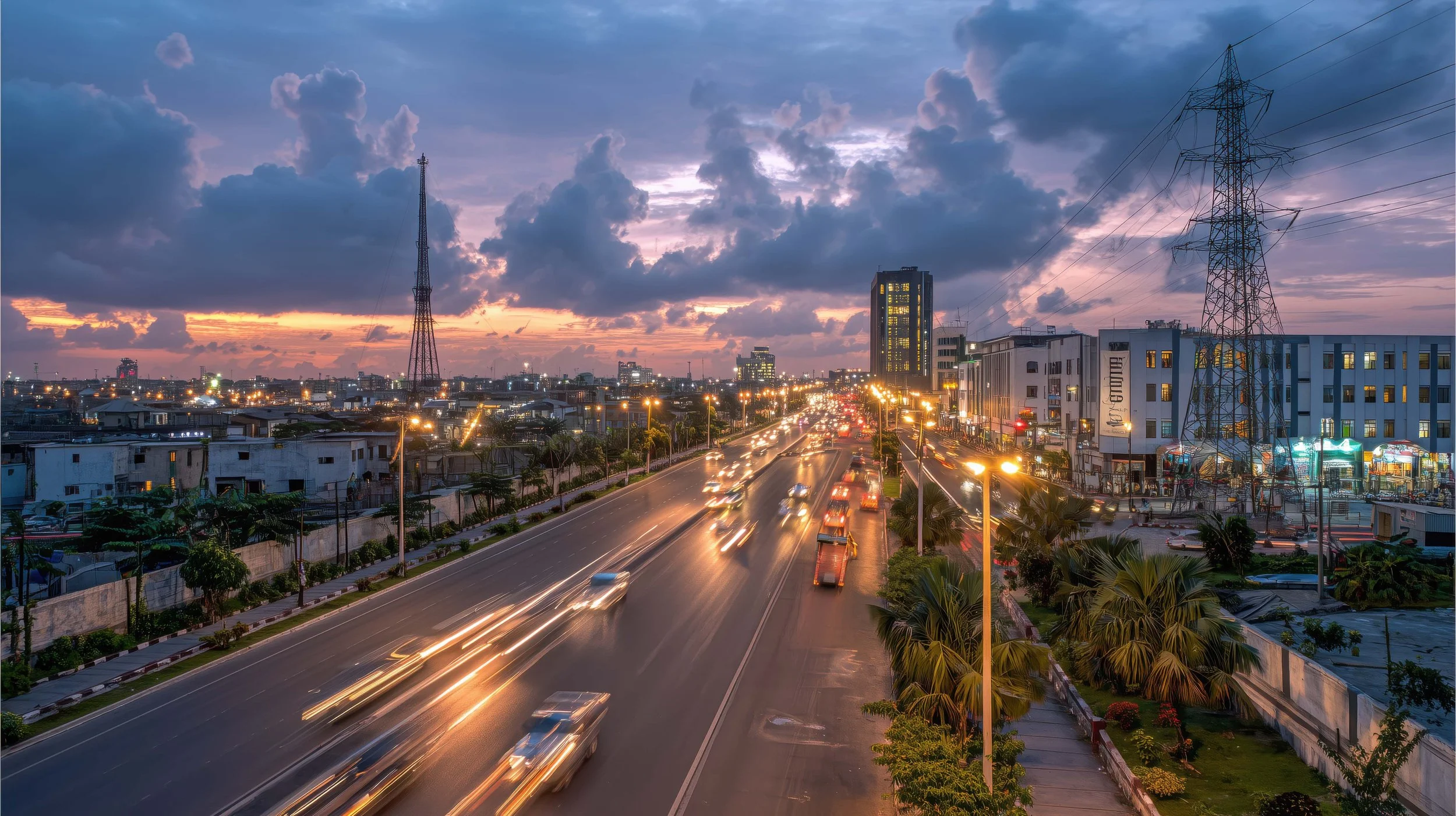
Major planned investment is poised to transform the corridor — including upgraded east-west road connectivity, extensions to the Lagos Metro and the proposed Badagry Port and Special Economic Zone. These investments create an opportunity to consolidate growth, expand formal employment, and deliver well-serviced housing at scale. But accelerated development without coordination risks perpetuating unplanned sprawl, outpacing service delivery, and encroaching into sensitive ecosystems and climate-exposed areas.
An Integrated Plan for Growth
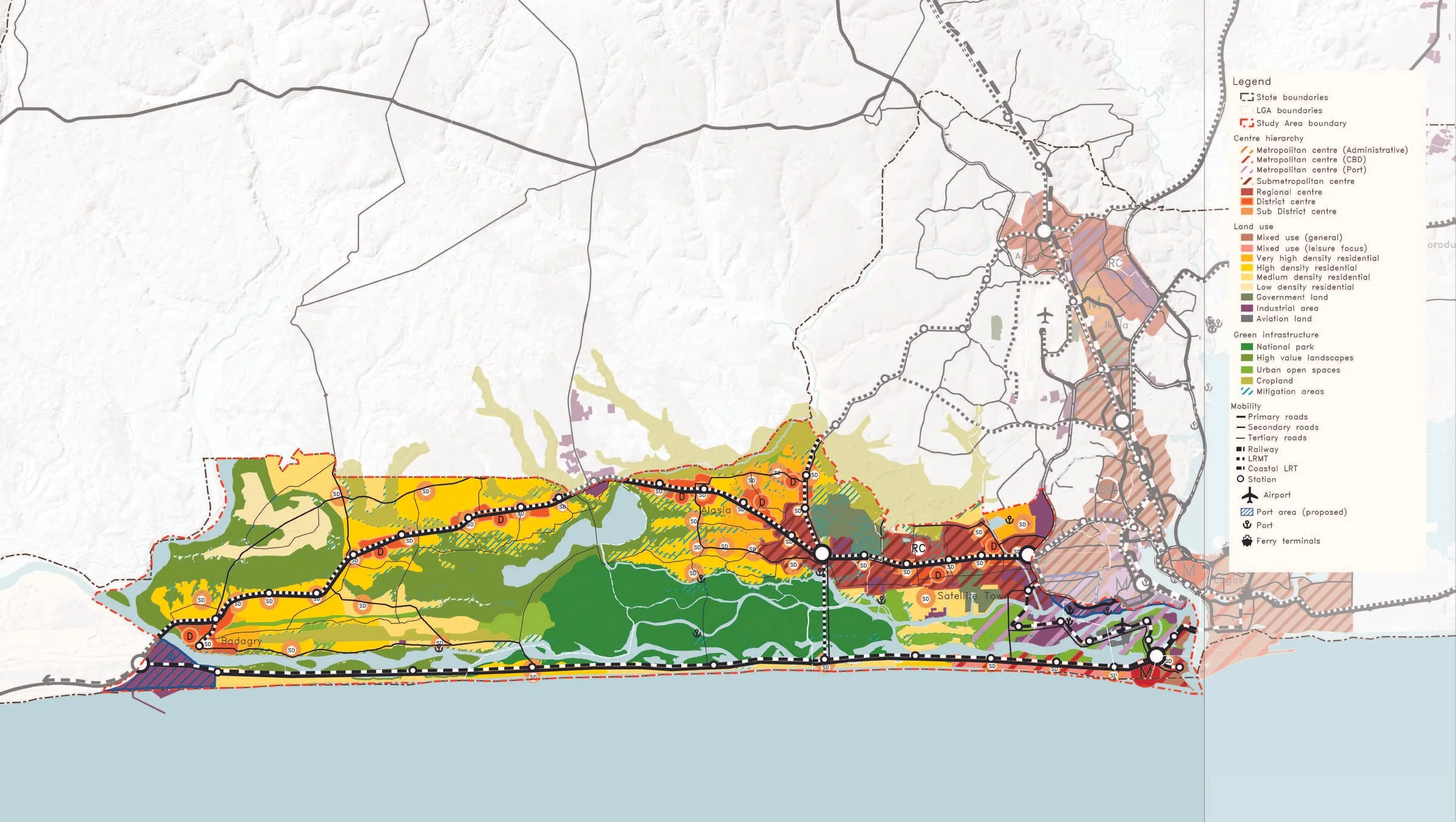
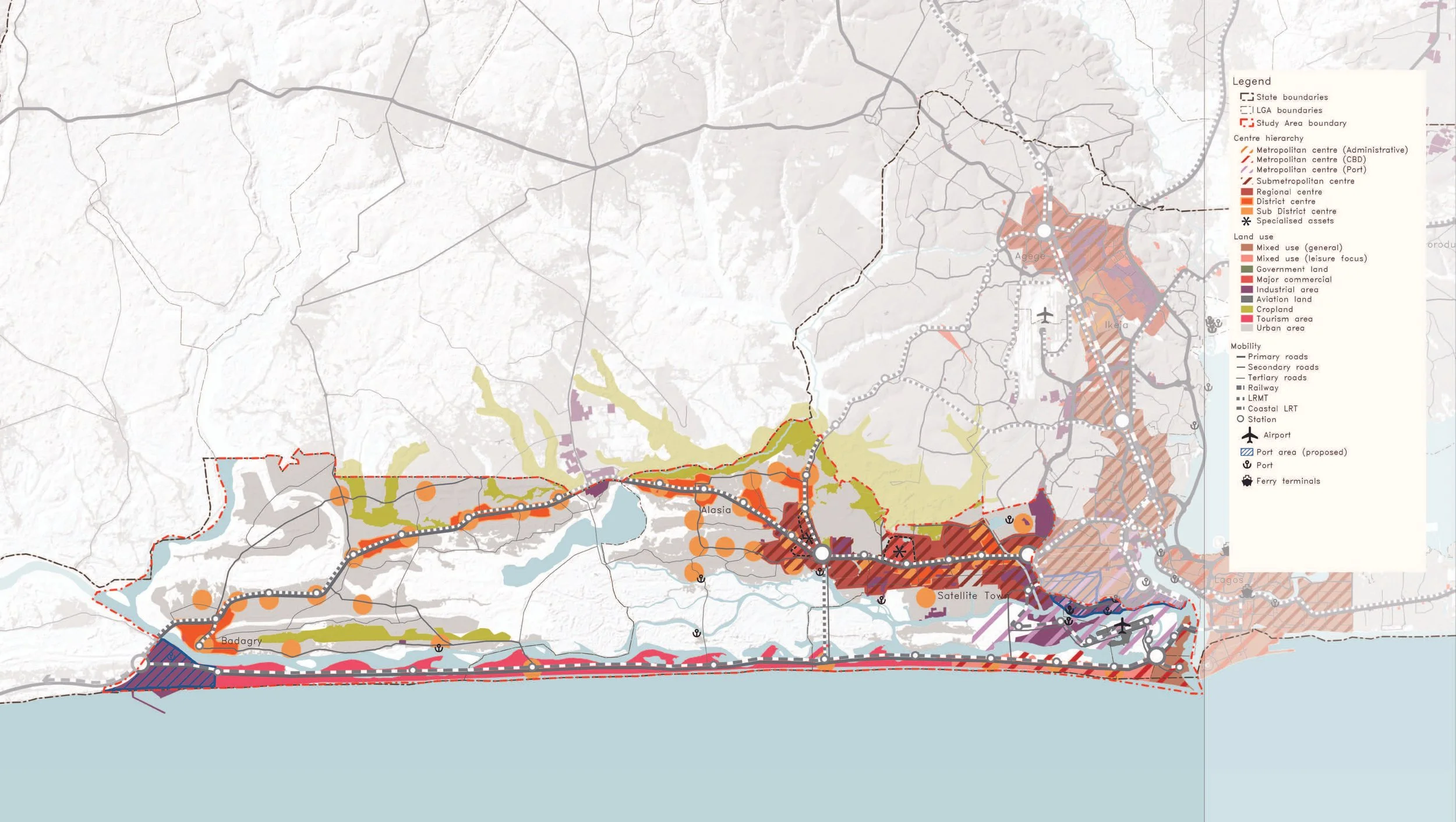
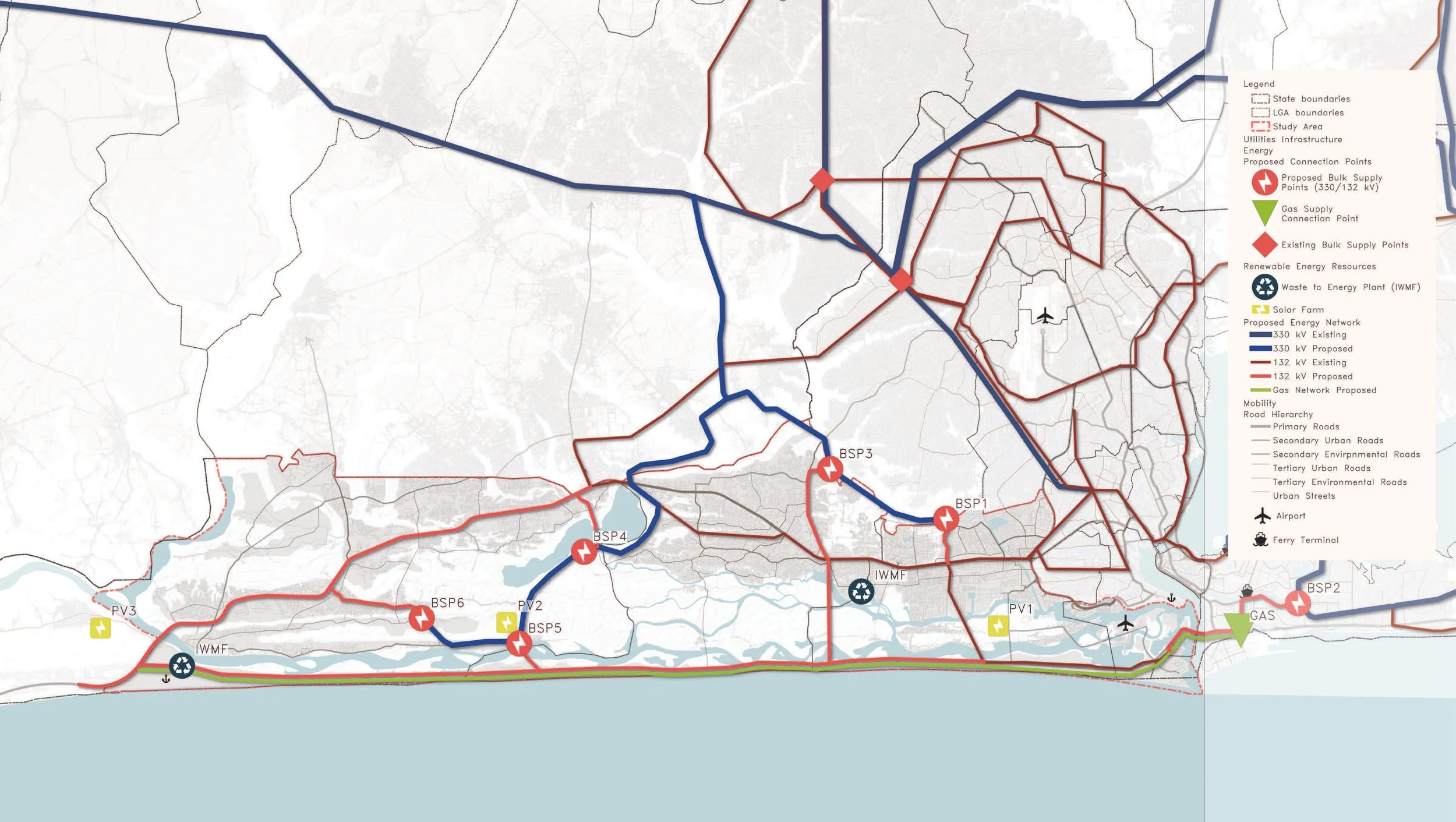
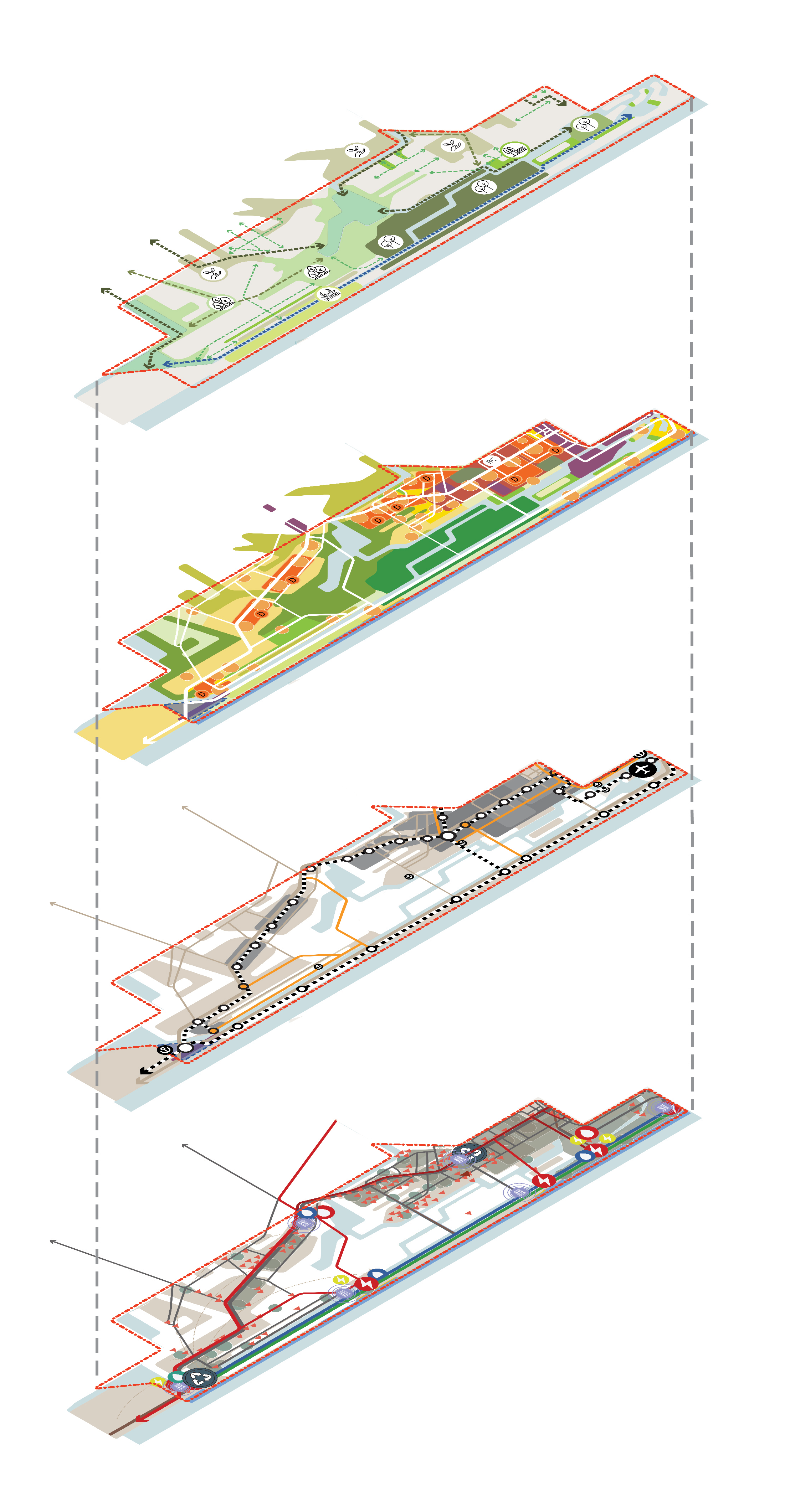
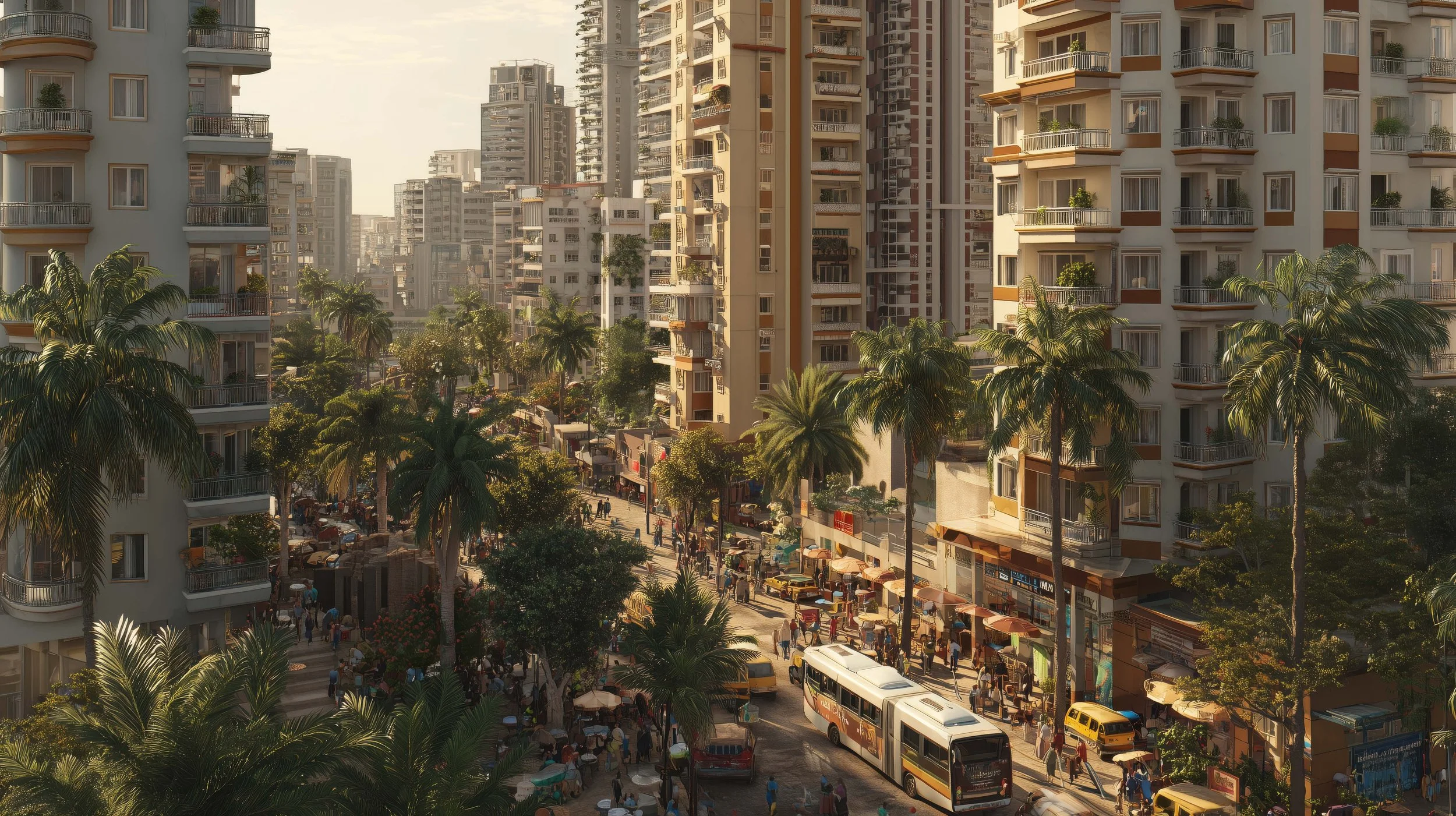
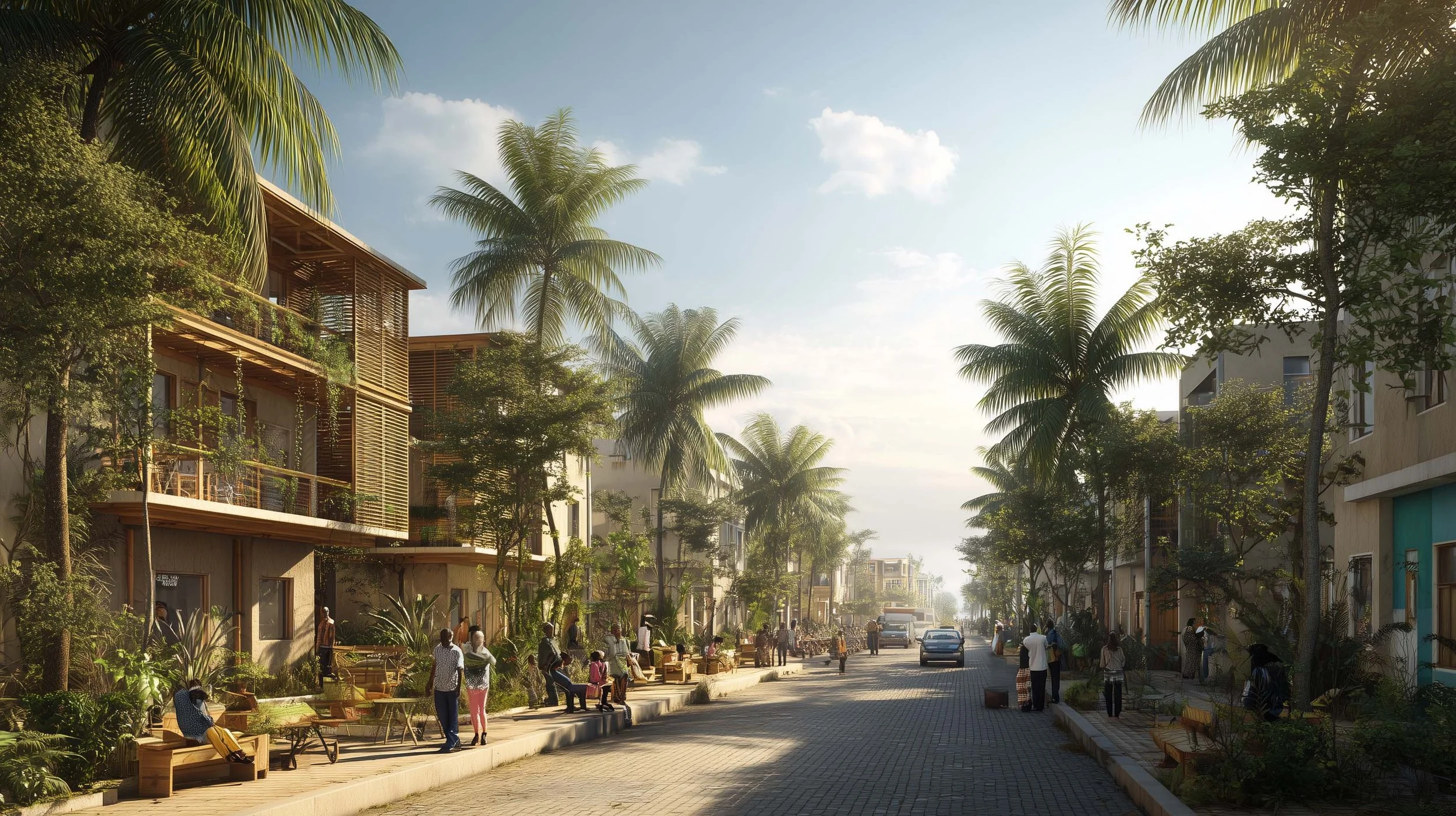
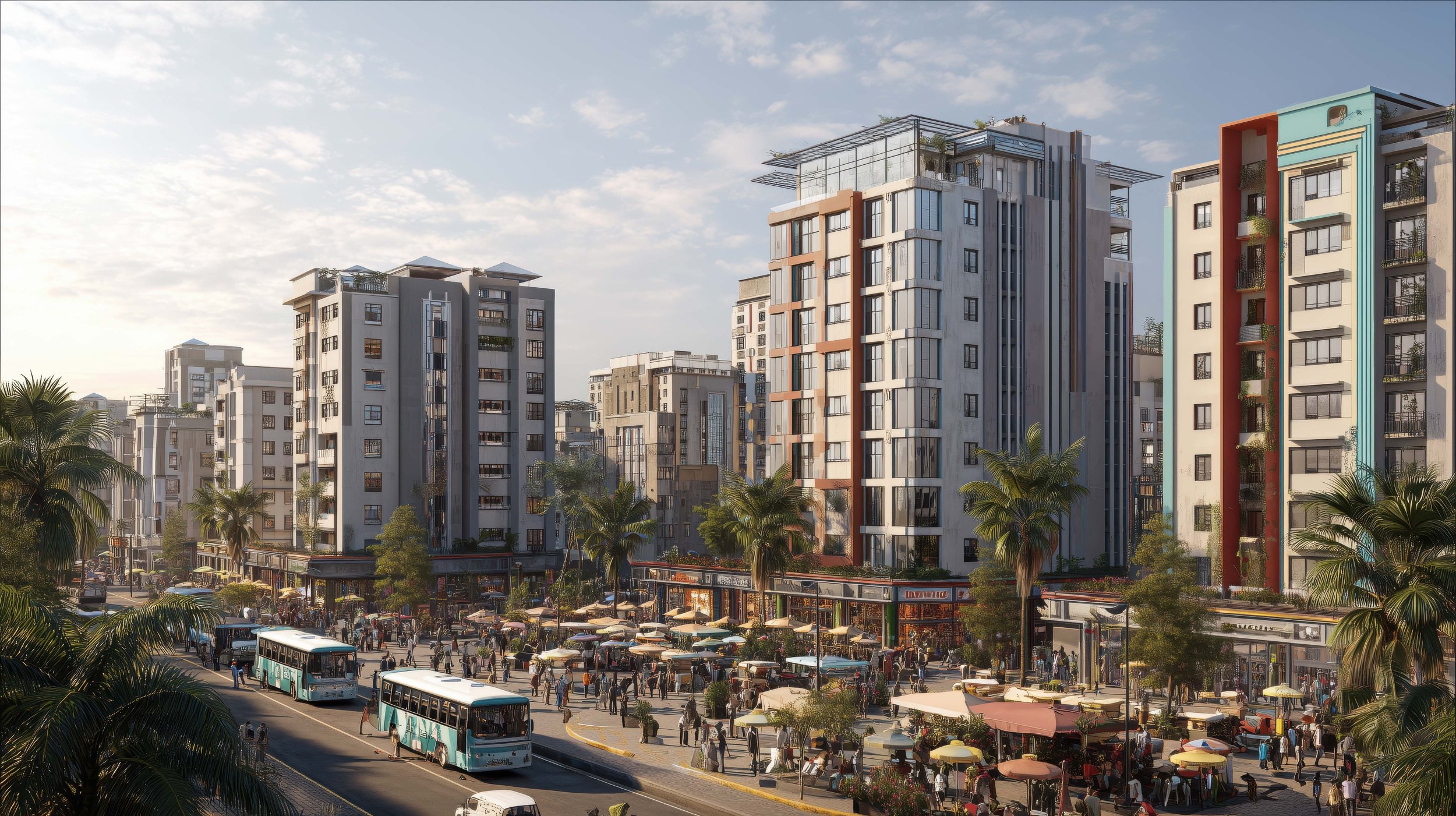
The Lagos–Badagry Regional Framework provides a 30-year spatial and infrastructure strategy to guide this transformation. Built from analysis of natural systems, environmental constraints, and economic drivers—and tested through alternative development scenarios—it safeguards environmentally sensitive areas while directing growth to locations that are safe, accessible, and well-serviced. The plan consolidates development within the existing urban footprint and structures growth around a hierarchy of centres. This spatial framework underpins an integrated infrastructure strategy, coordinating the delivery of transport, energy, water, and digital systems across the corridor.


Long-Term Investment Pipeline
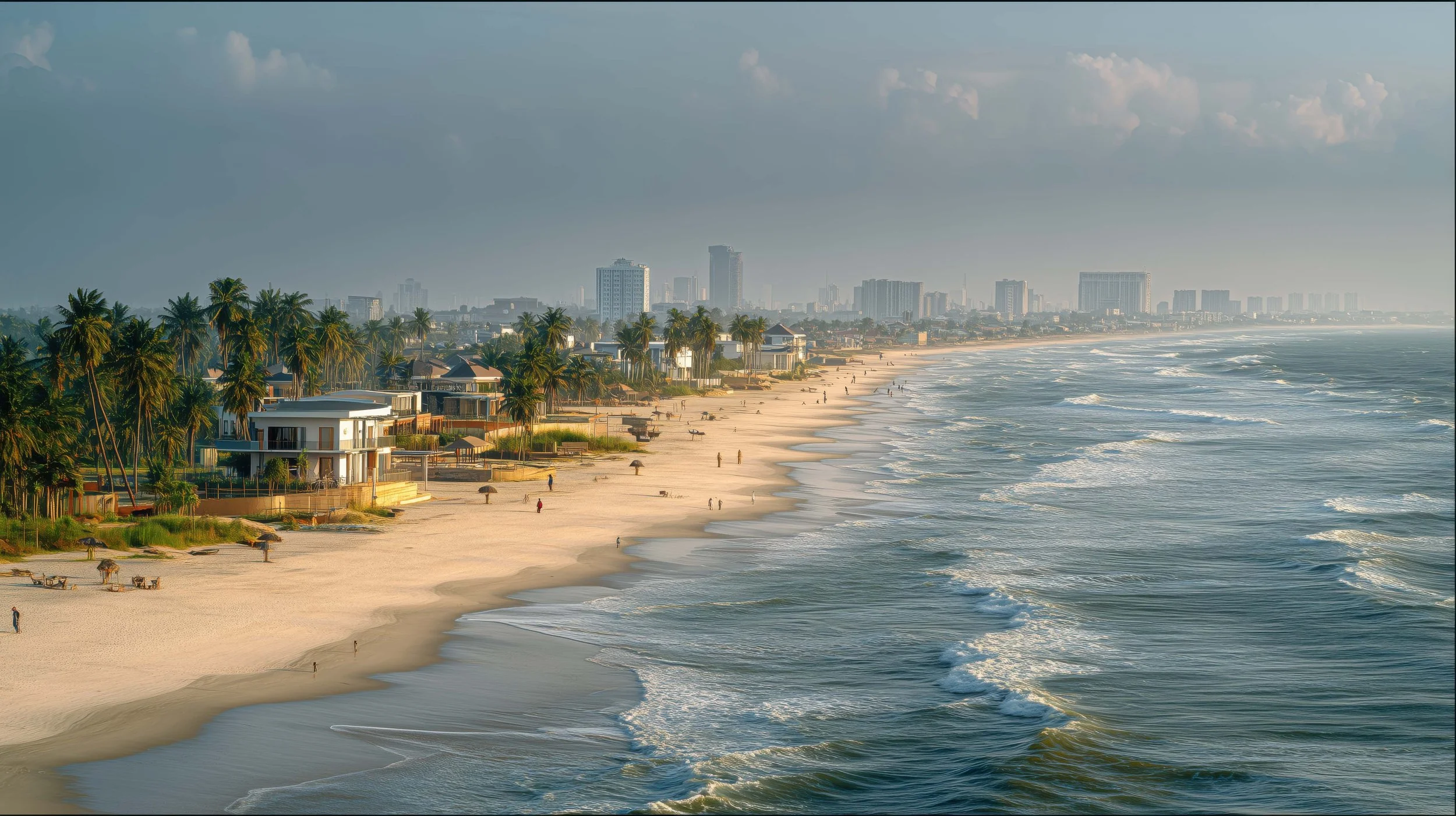
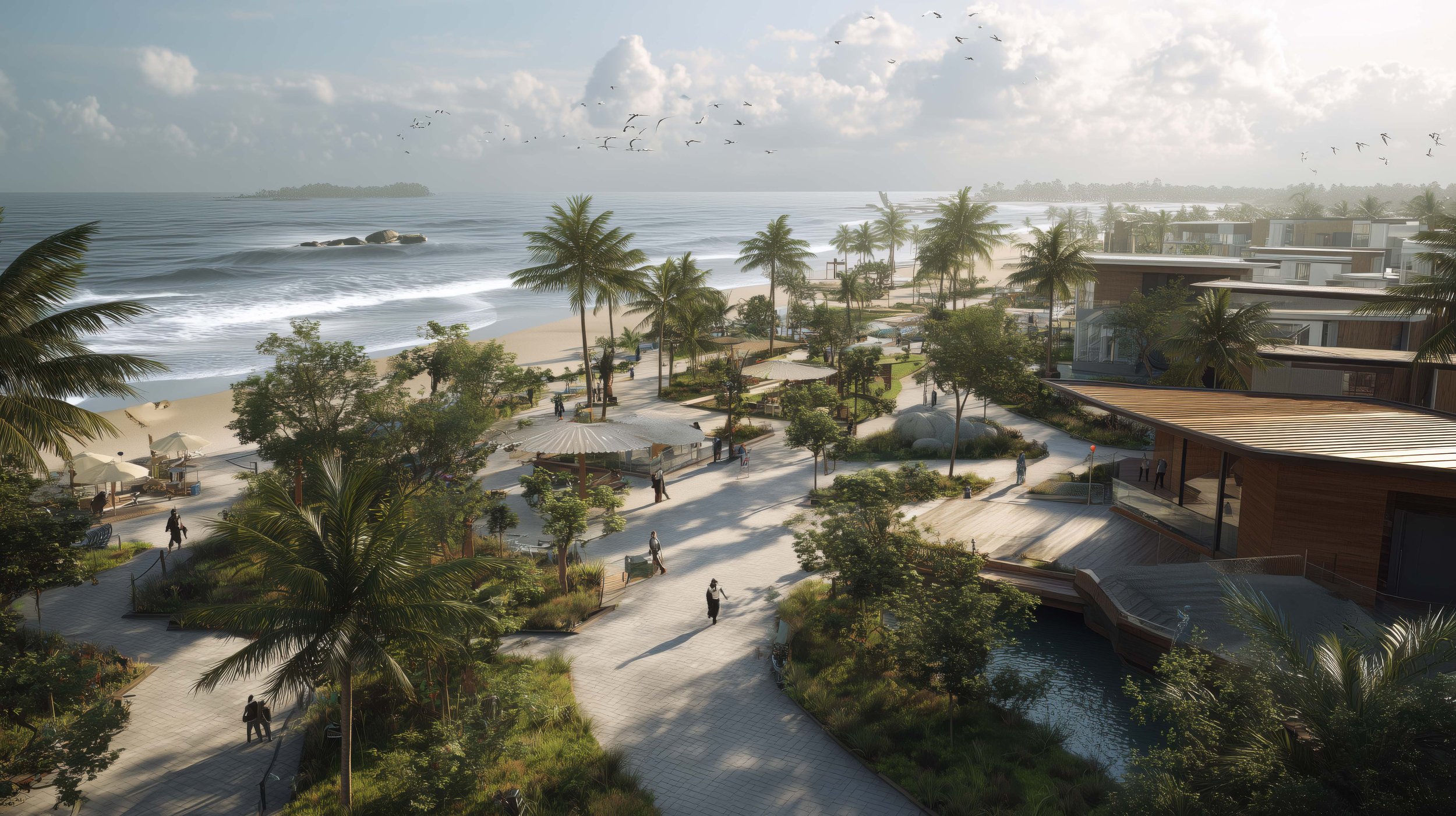
The Framework translates this vision into over 70 catalytic projects spanning environmental protection, settlement upgrading, housing, industry, tourism, ecosystem restoration, transport, and utilities. Together, they form a clear investment pipeline aligned with national priorities and international development finance—a plan to accommodate 3.5 million people and 1.3 million jobs while protecting the corridor's most valuable natural assets, positioning Lagos–Badagry as a model for sustainable metropolitan growth.
The framework in numbers:
527
square kilometers
30
year plan
3.5m
residents by 2055
79
catalytic projects