
Confidential
County Spatial Planning in East Africa
Regenerative planning in the cradle of humankind.
Client: Confidential
Collaborators: Confidential
Year: 2025
Project Size: 70,000 square kilometers
Service: Urban & Regional Strategy
Expertise: Regional Planning, Urban Economics, Mobility, Utility Infrastructure, Implementation Strategy, Sustainable Finance
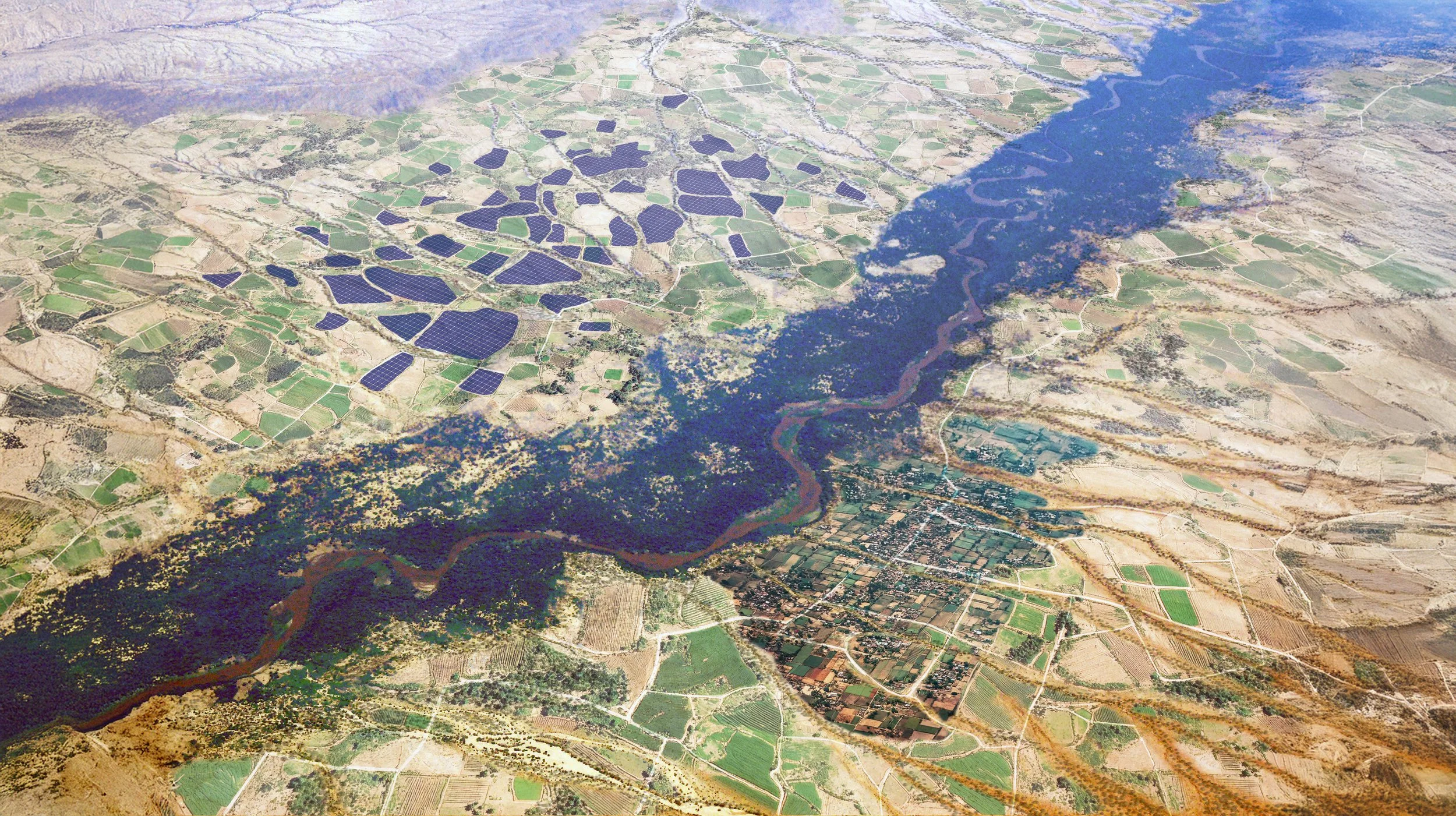
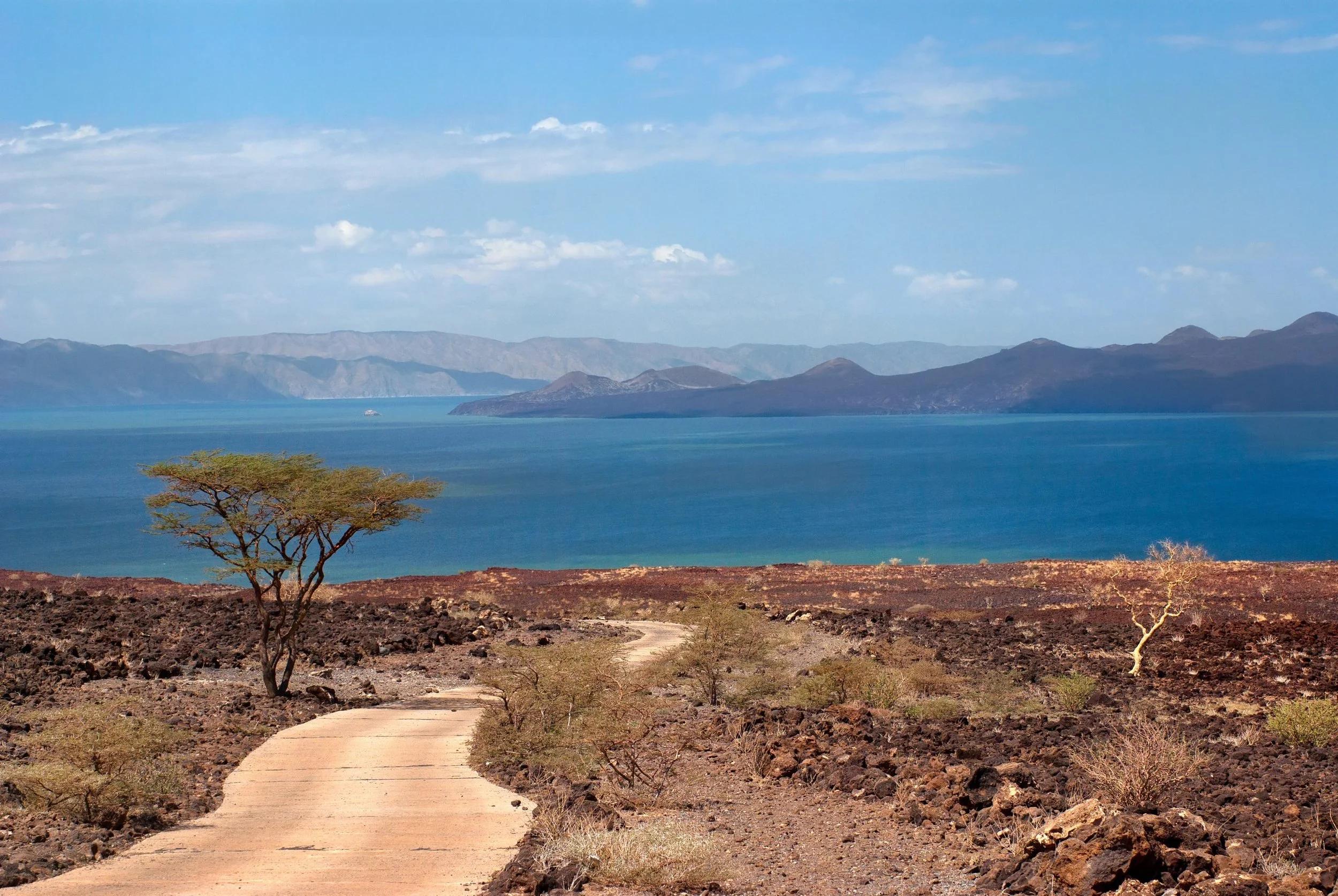
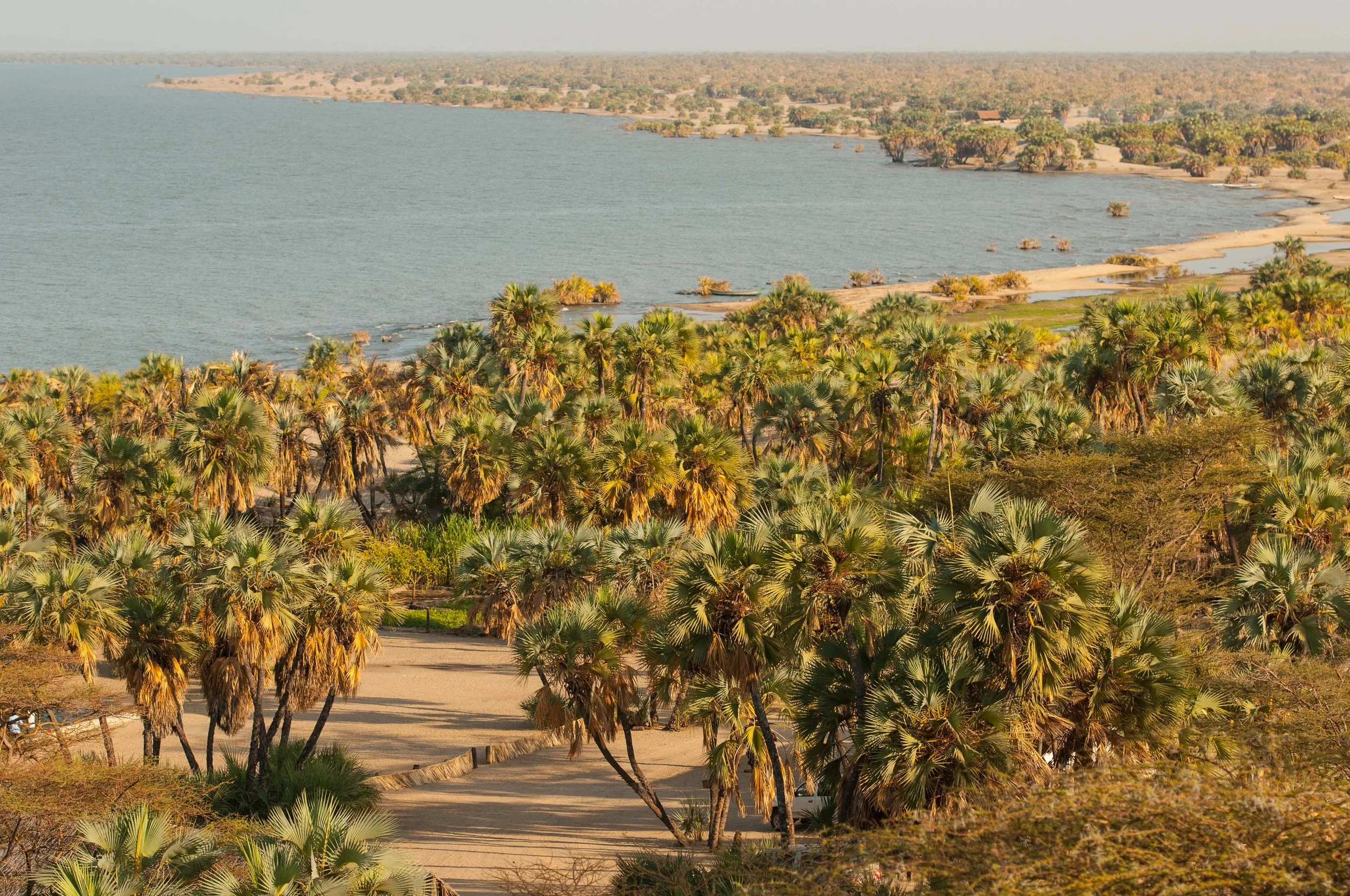
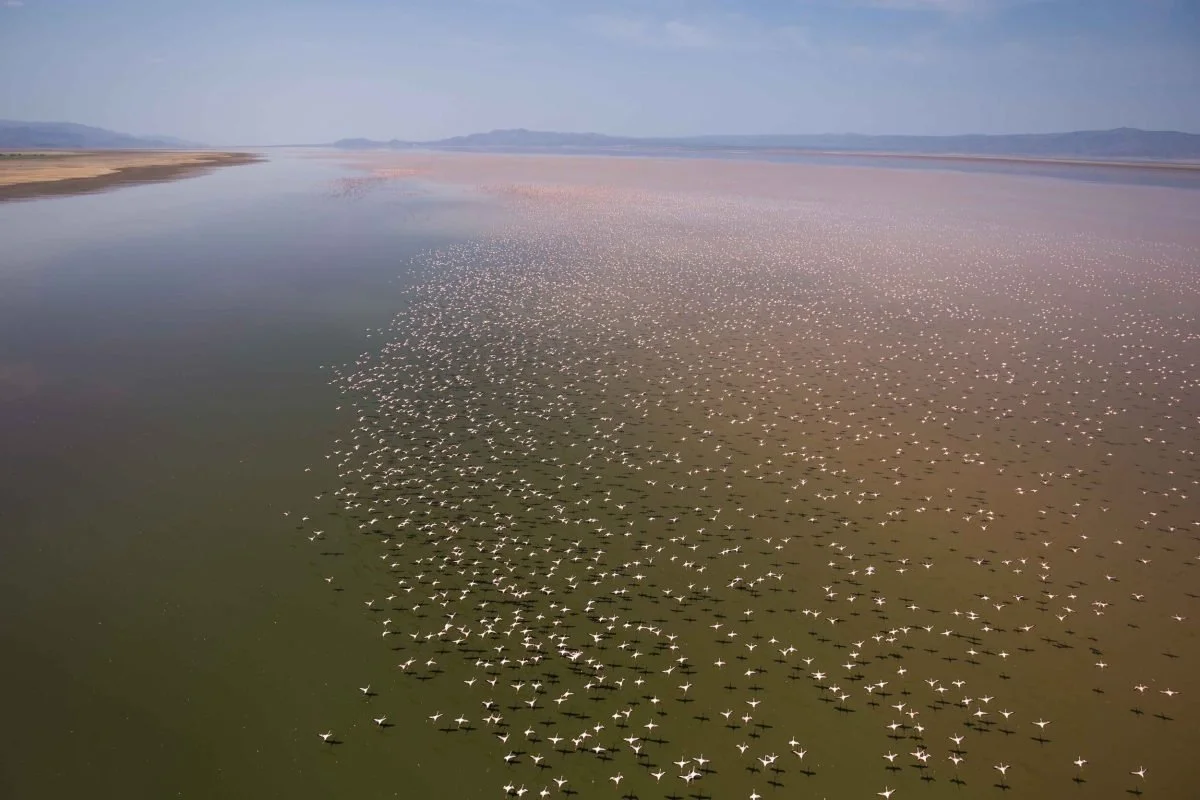
Homa supported the preparation of the first-ever spatial plan for a county in East Africa, in a region forming part of the so-called 'cradle of humankind'. Spanning more than 70,000 square kilometres—larger than many countries—the region has high potential, including abundant mineral and renewable energy resources, significant agricultural opportunities, planned international transport corridor investment, and globally significant landscapes and cultural heritage. But it faces acute challenges including water stress, high climate vulnerability, and significant economic disparities with the rest of the country. Basic infrastructure is severely lacking across the region's vast area. With a significant shortfall in infrastructure funding, future investment must be carefully prioritised for maximum impact.
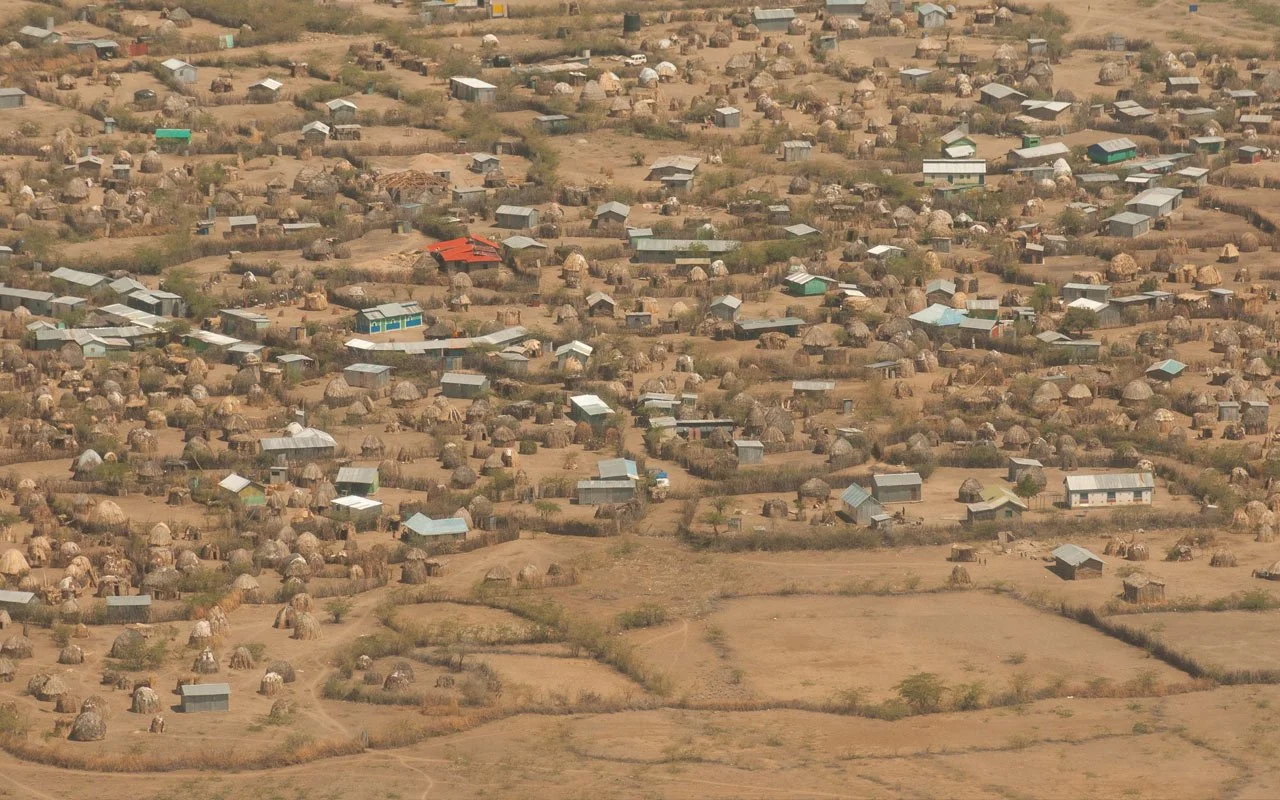
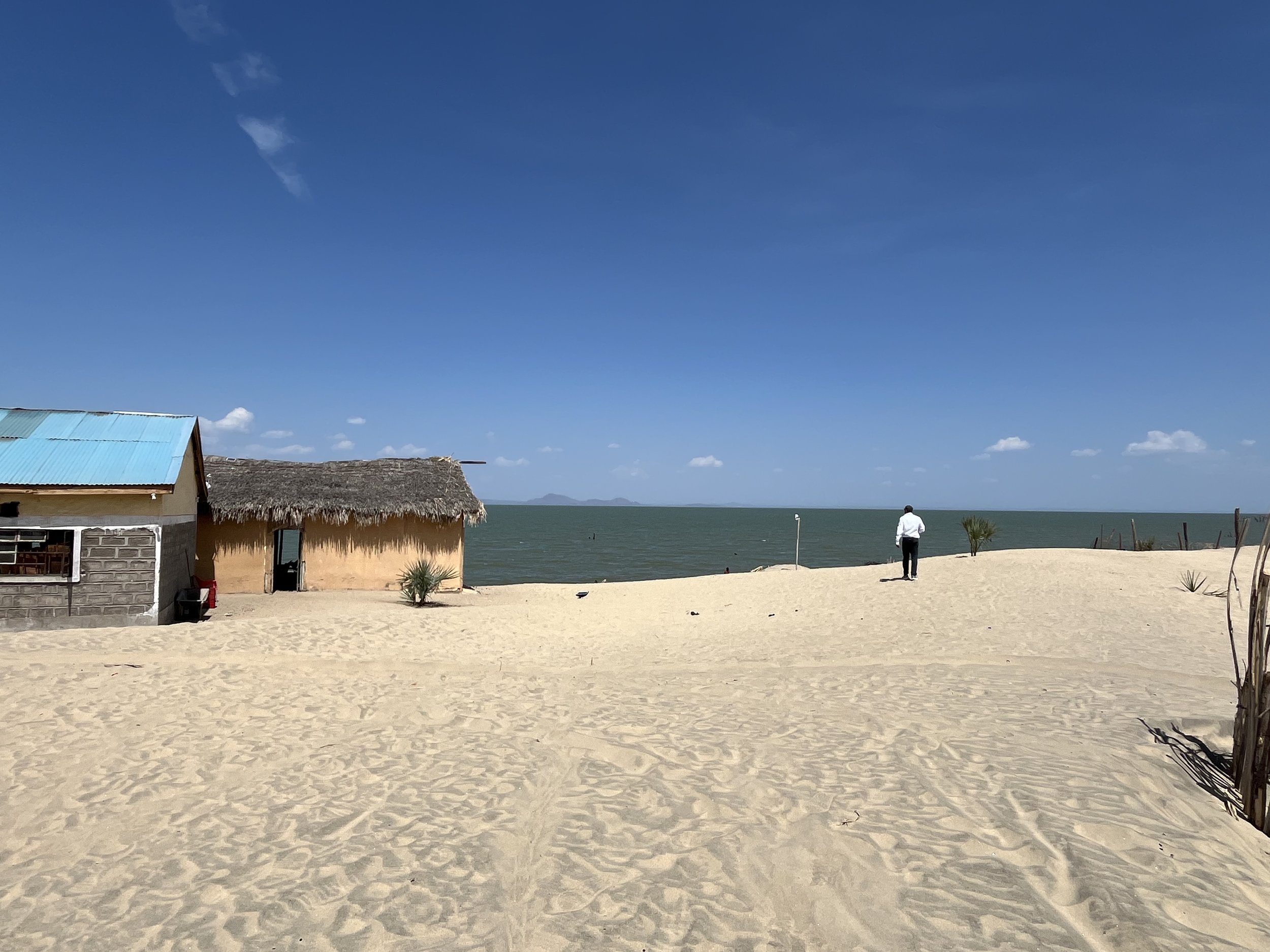
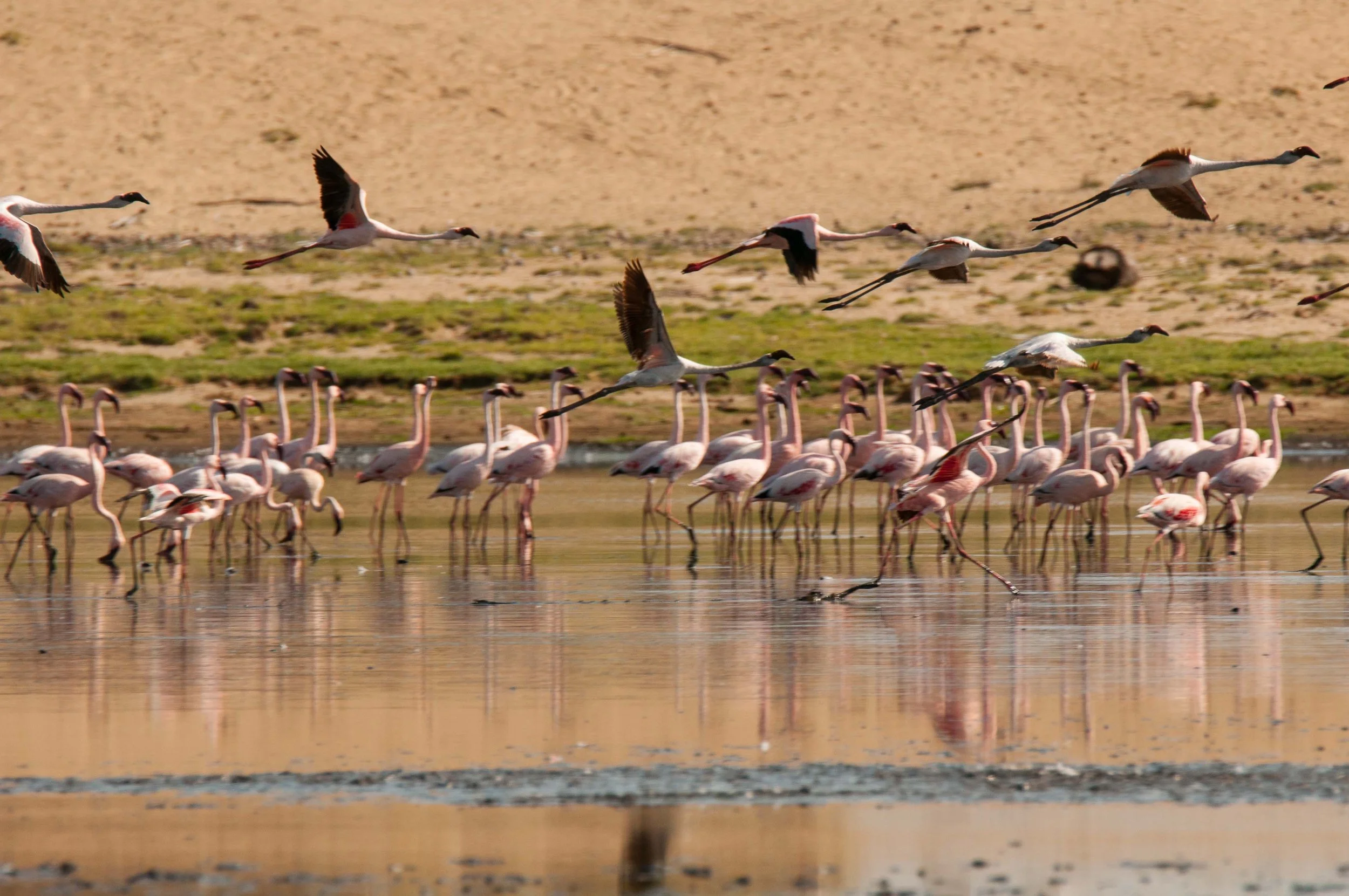

The county spatial plan provides the basis for guiding development and accessing infrastructure funding from central government. The plan is being prepared in parallel with the county’s first land registry, addressing tenure uncertainty which has deterred investment in the past. Homa worked closely with the team through a series of multi-stakeholder workshops, developing the spatial strategy and catalytic project portfolio underpinning the plan.
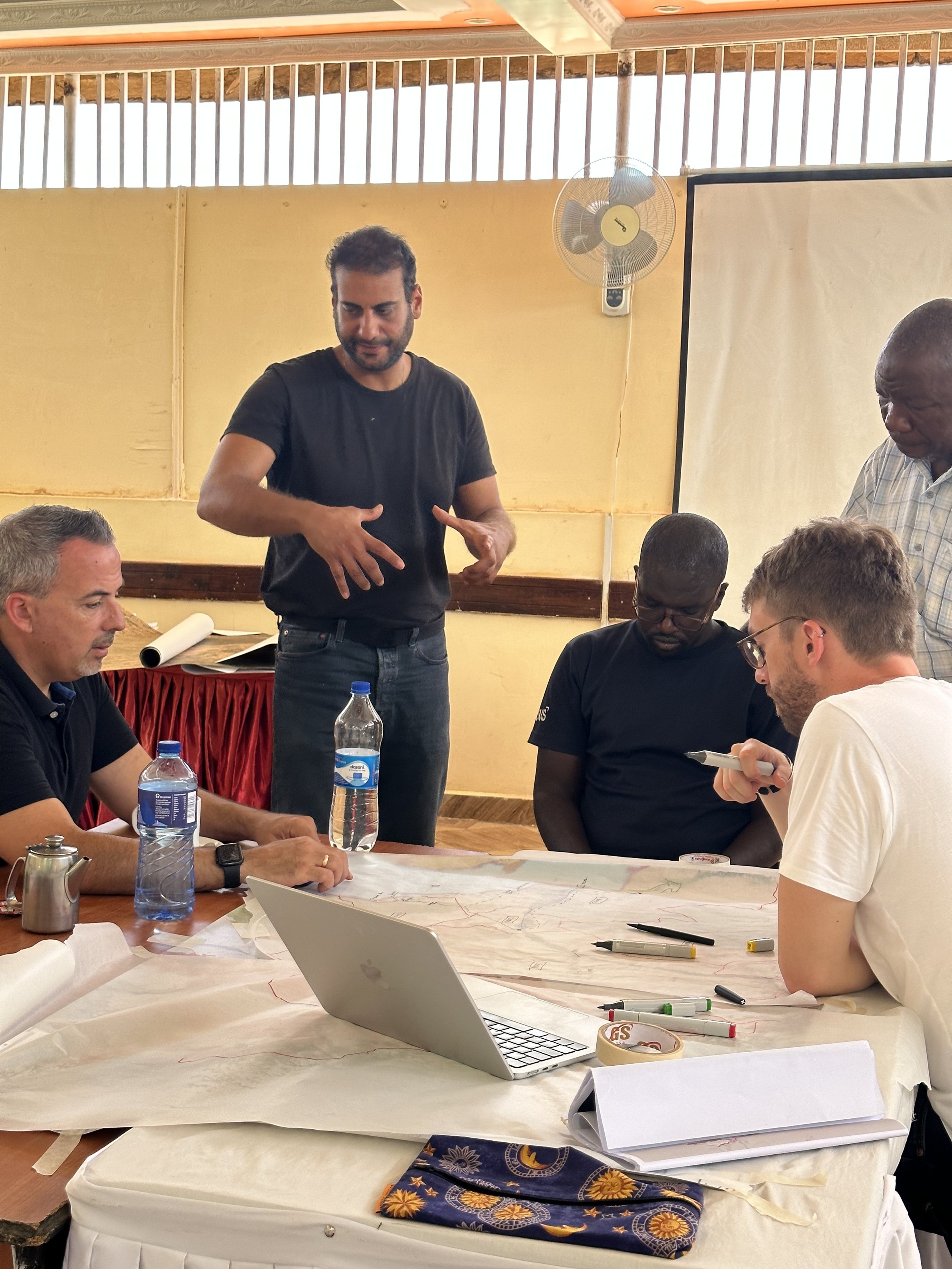
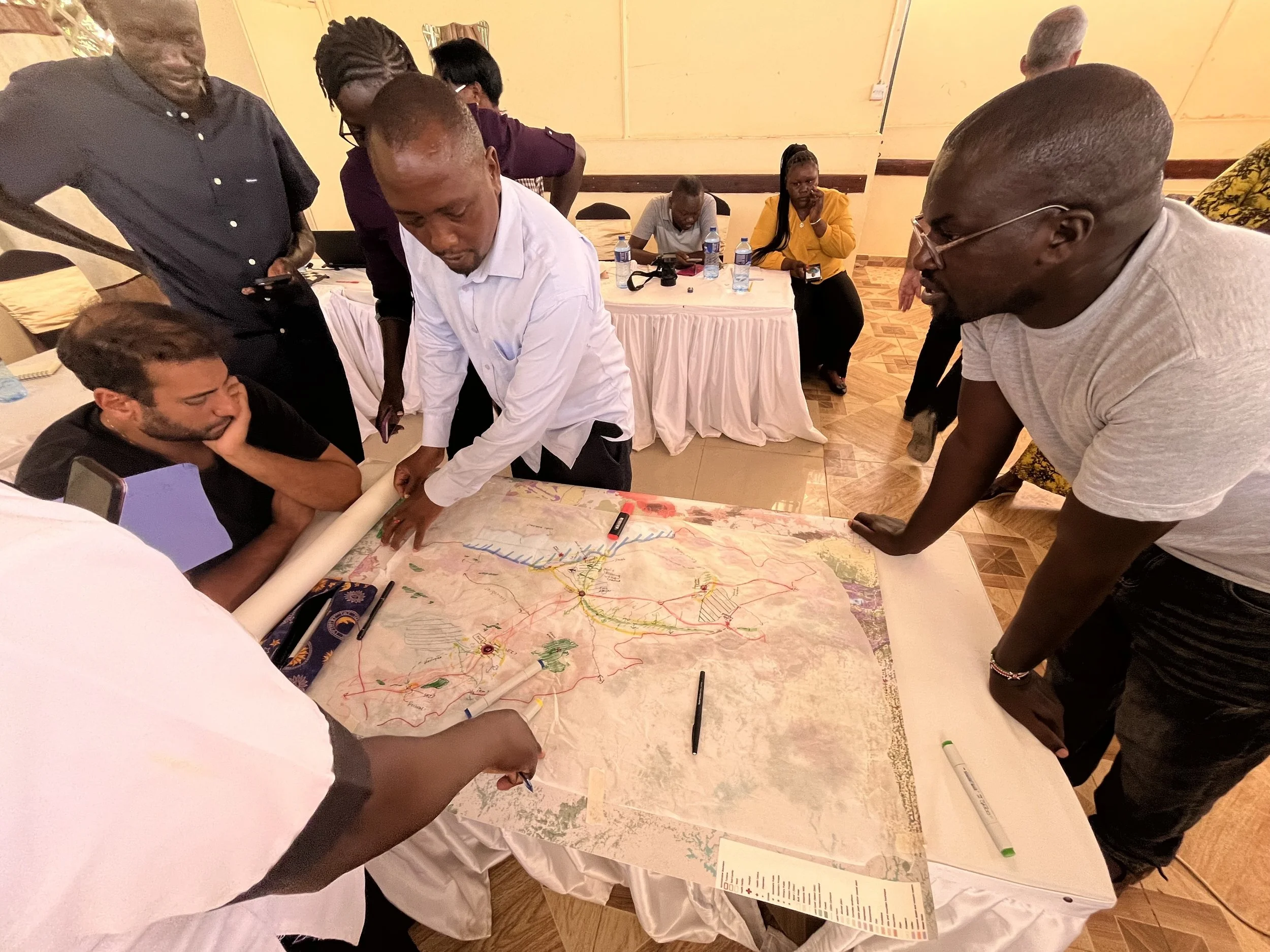
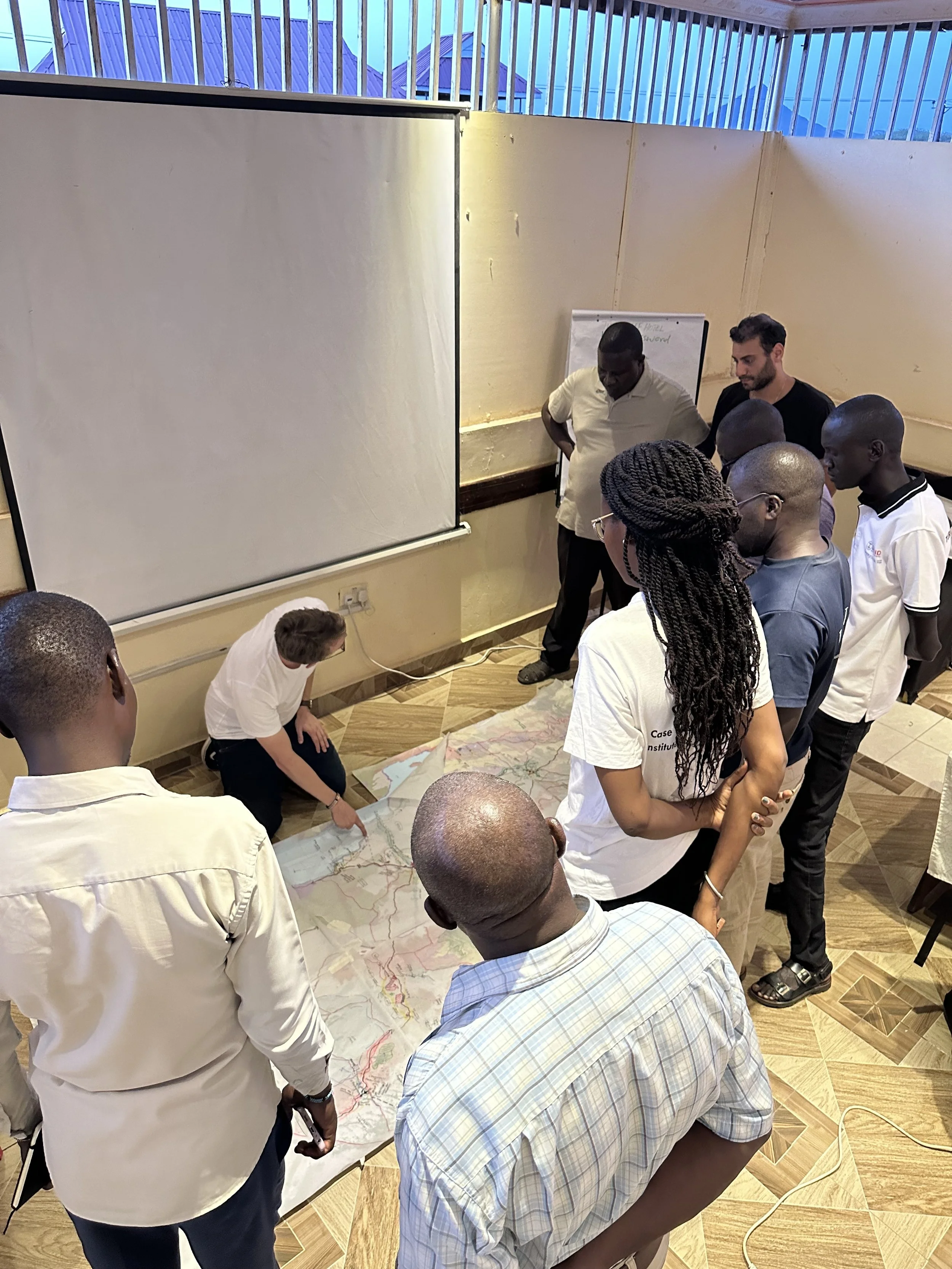
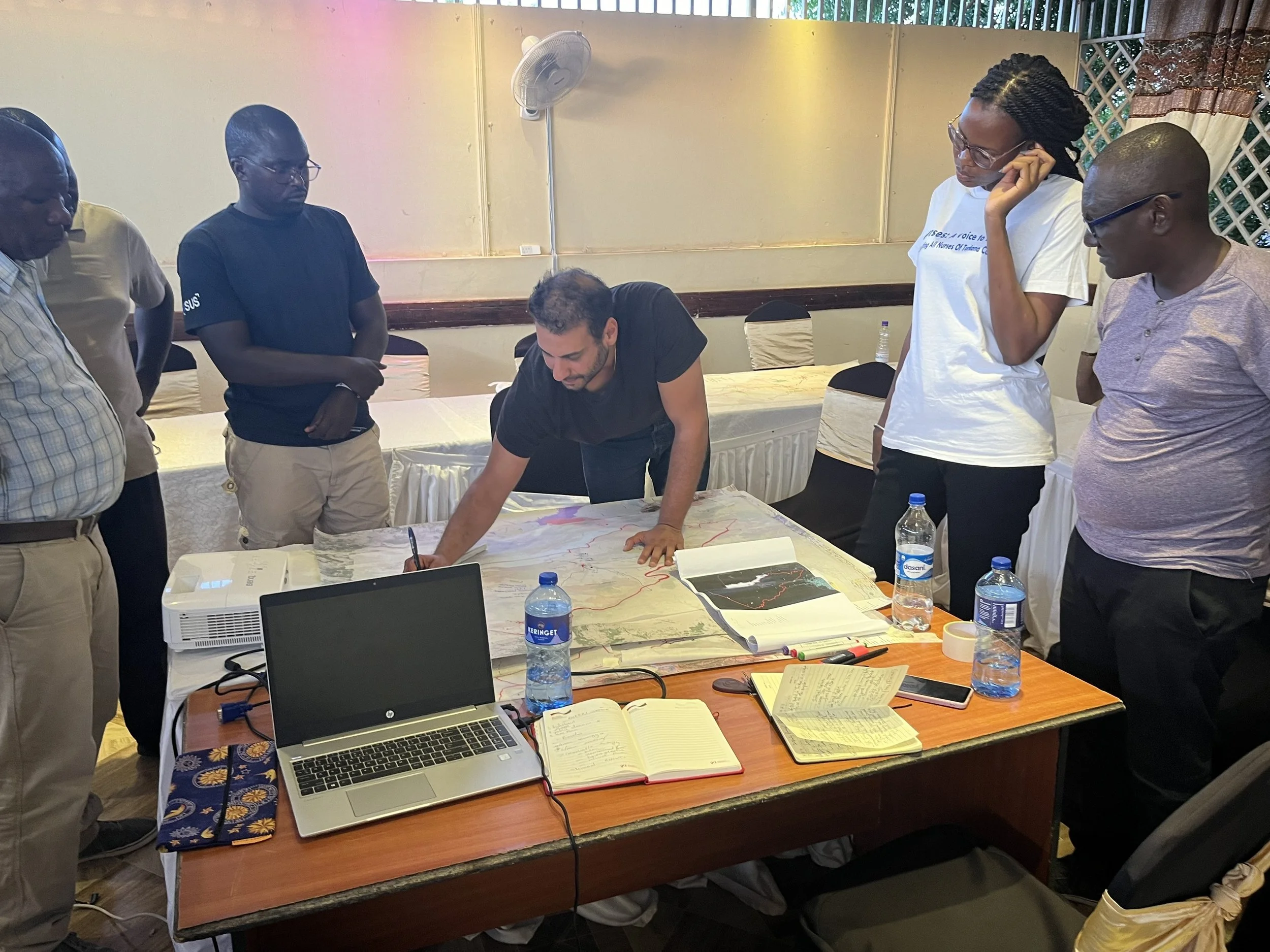
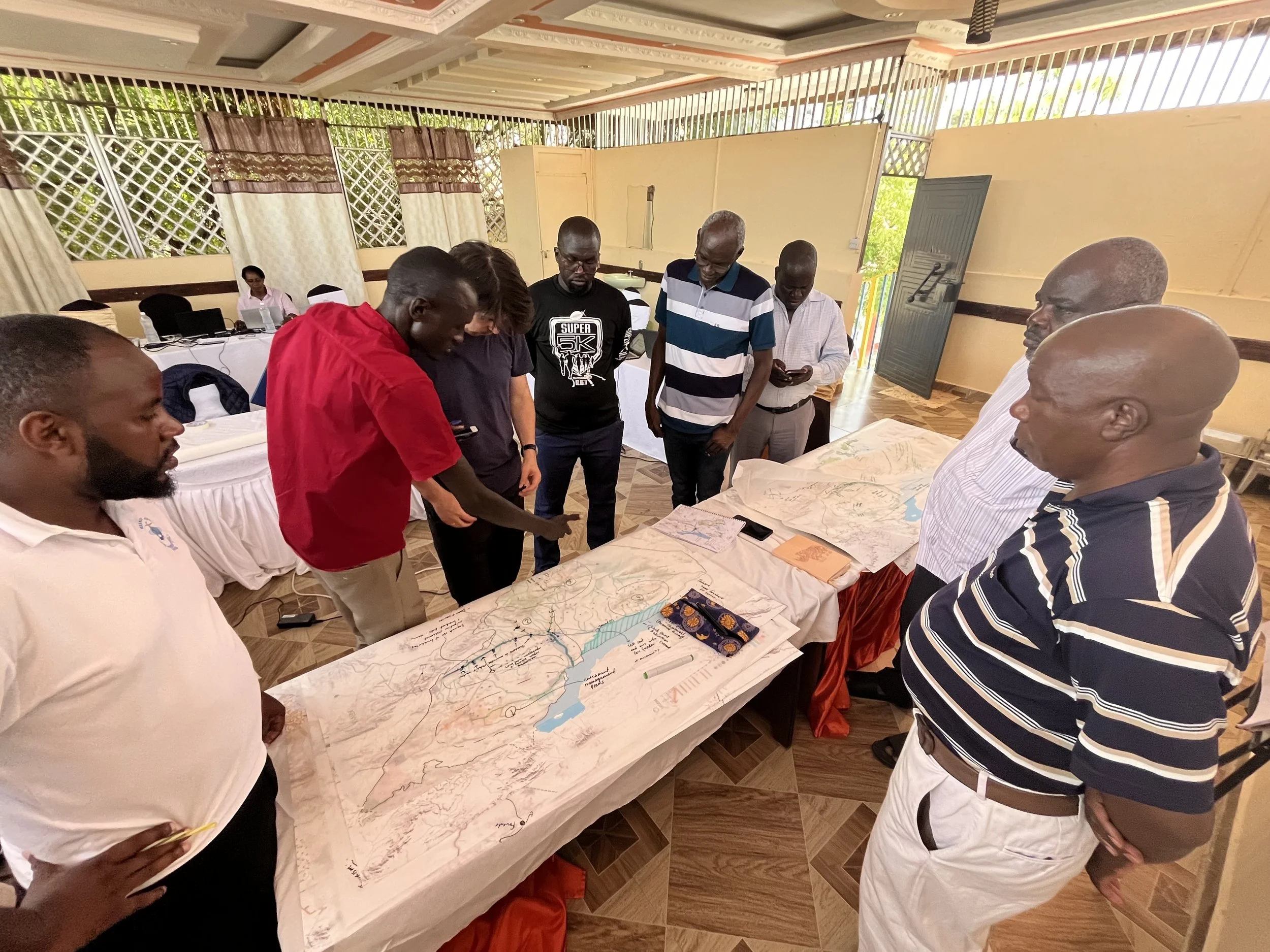
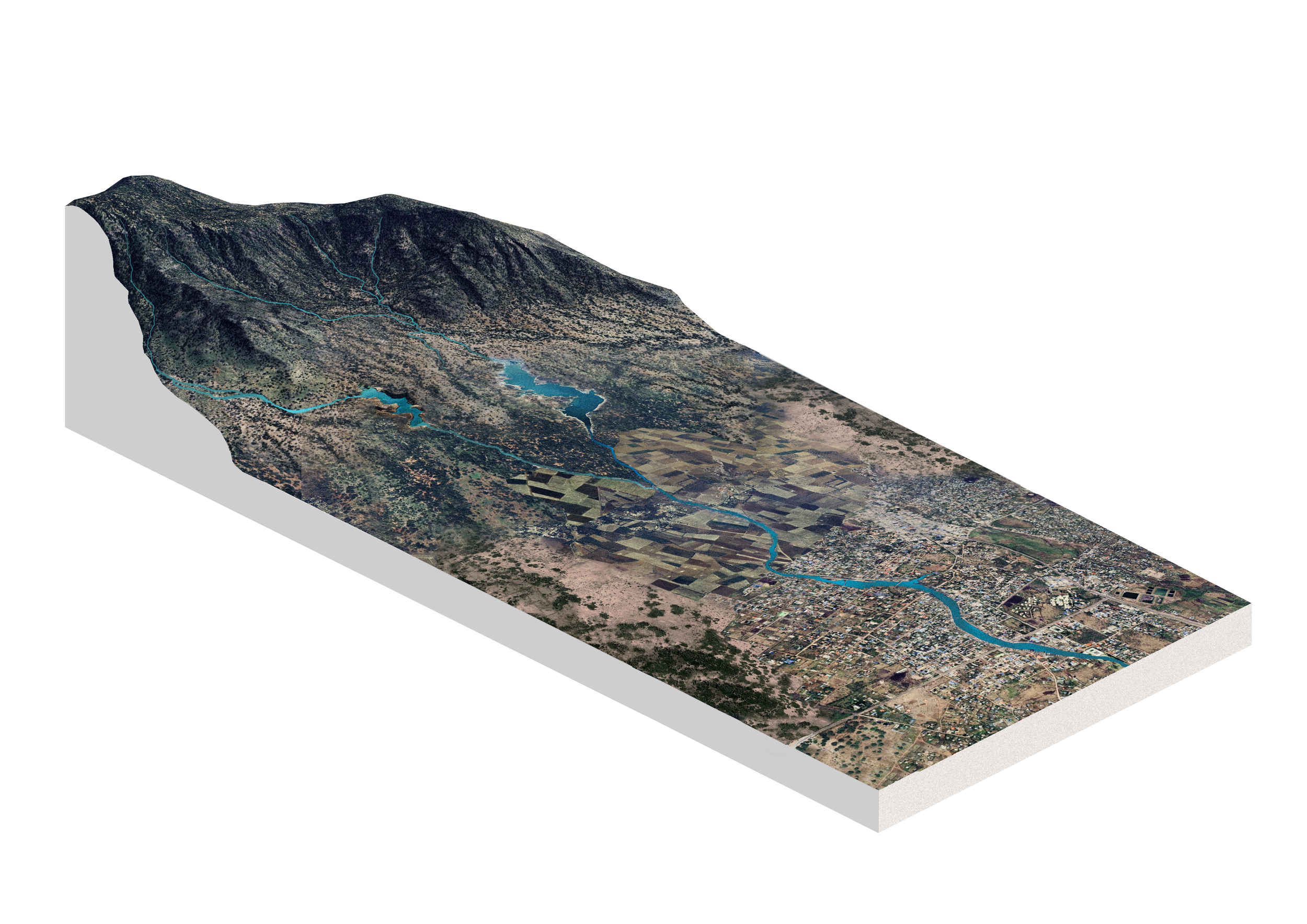
The plan takes a regenerative and landscape-based approach, building from analysis of the region's environment and natural systems and prioritising their protection and restoration. In this water-stressed region, water availability is critical, so the plan identifies supply strategies and prioritises integrated catchment management and large-scale afforestation to restore catchment health. A spatial-economic strategy then identifies future development opportunities across sectors—agriculture, tourism, mineral resources, and industry—based on the inherent potential of the landscape. Population growth is directed toward settlements and growth corridors aligned with this economic potential, with infrastructure investment targeted to support planned growth.
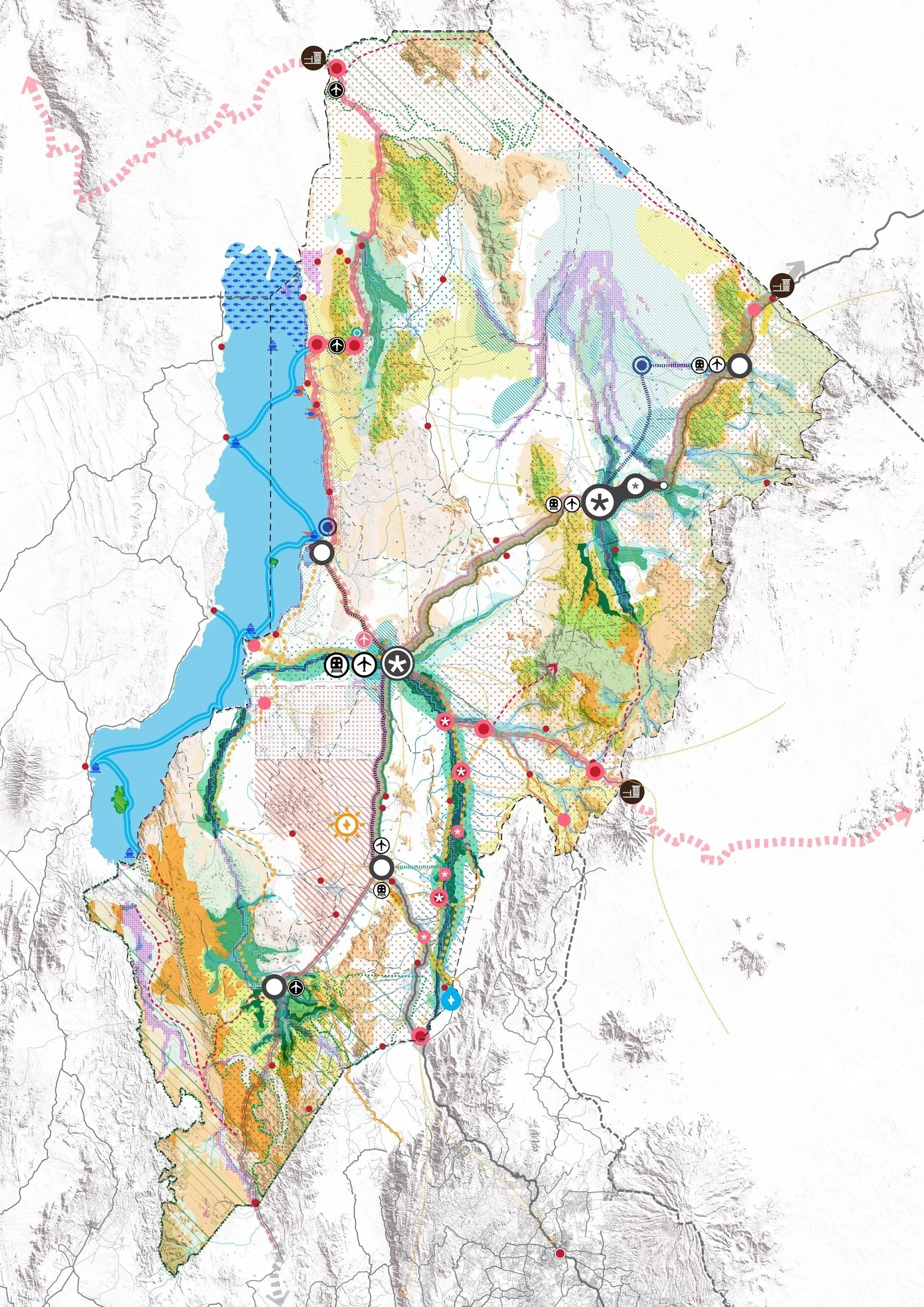
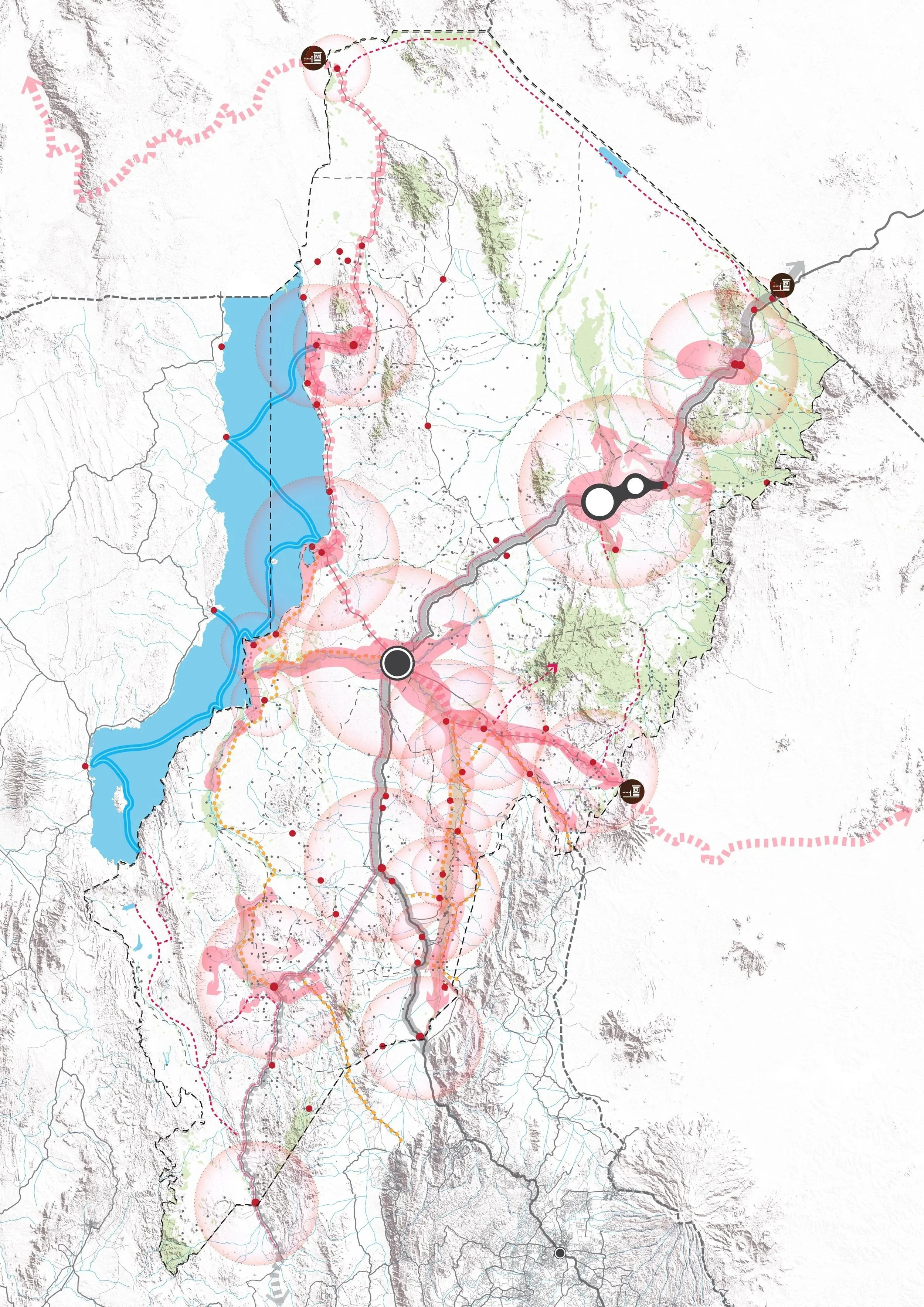
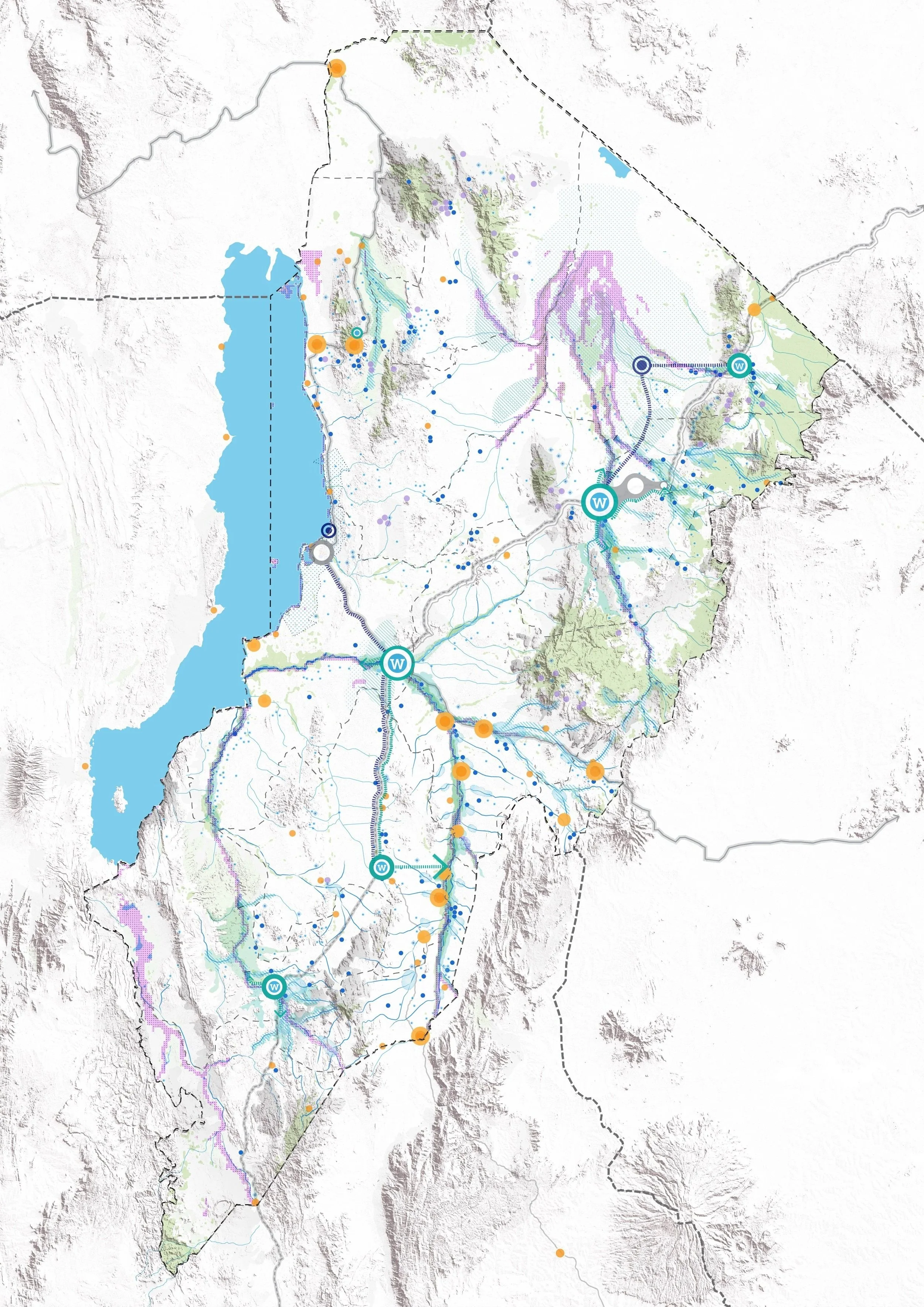
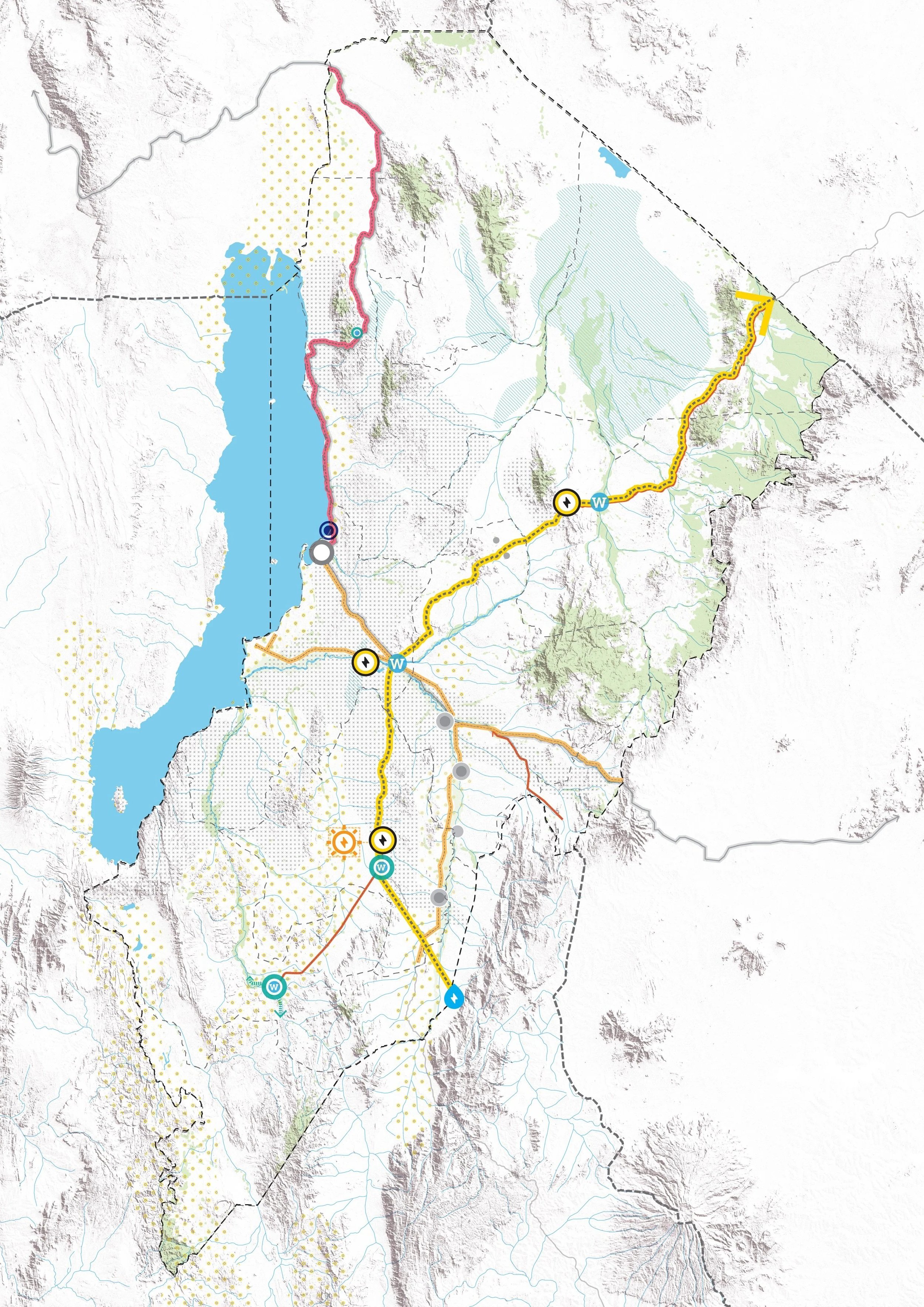
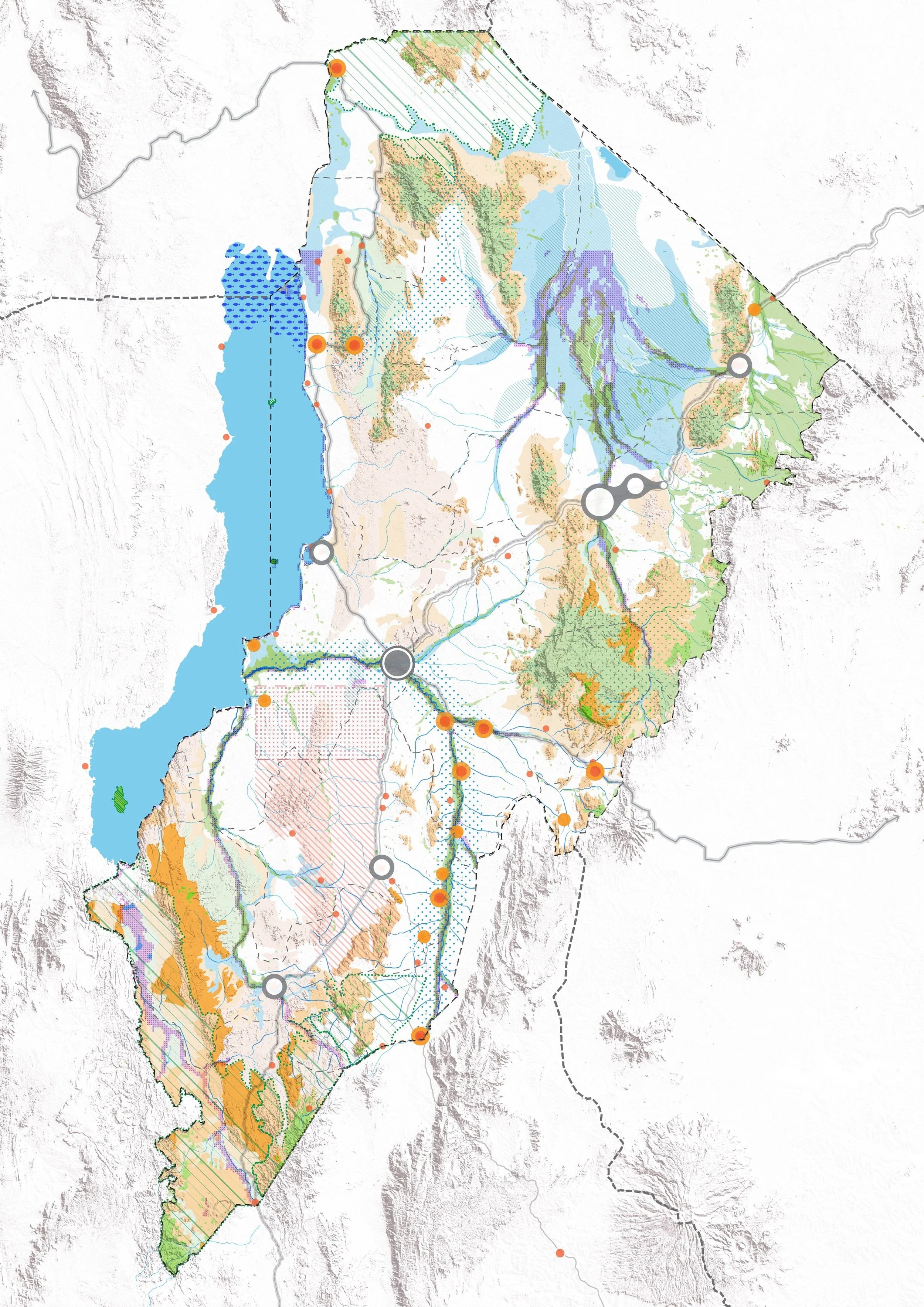
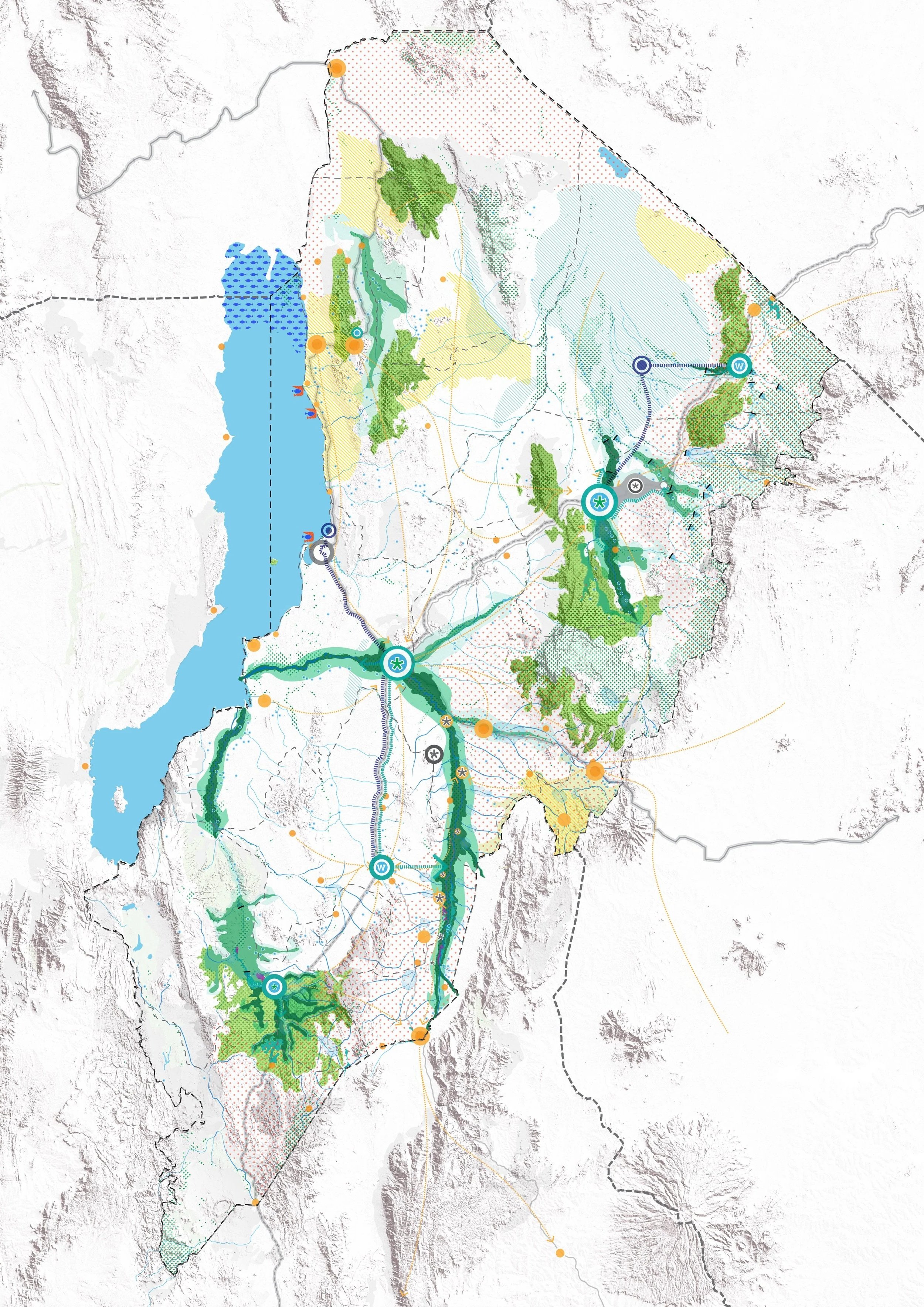
The plan includes a catalytic project portfolio: a phased pipeline of 54 projects ranging from large-scale infrastructure projects to environmental restoration initiatives and area-based development strategies. Projects were shaped to appeal to international sustainable and climate finance, diversifying funding sources beyond constrained government budgets. The outcome is an innovative plan positioned to accelerate investment and transformative change in the county, and a model for regenerative planning in comparable climate-stressed regions.

The plan in numbers:
70,000
square kilometers
1.8
million residents by 2034
54
catalytic projects